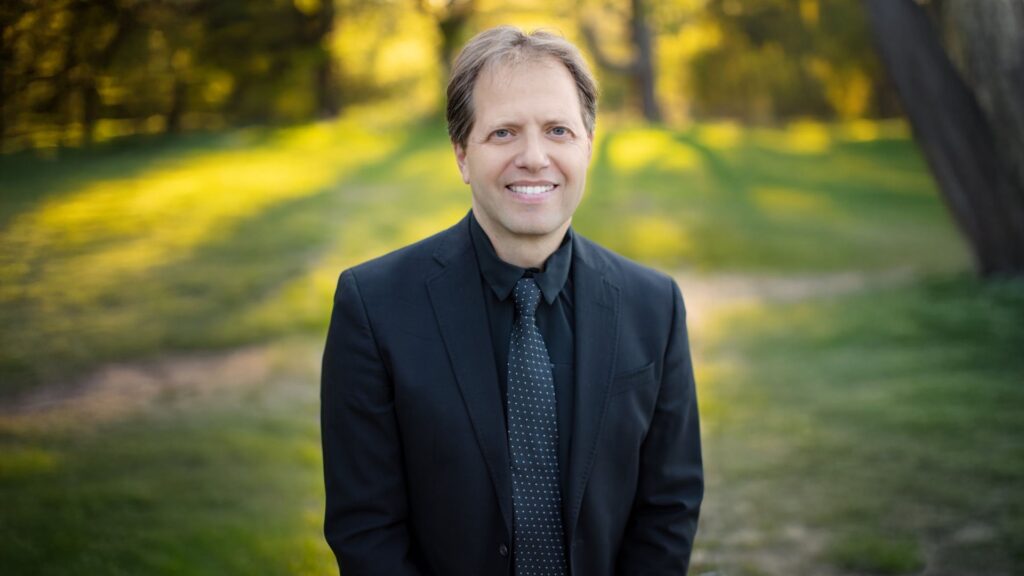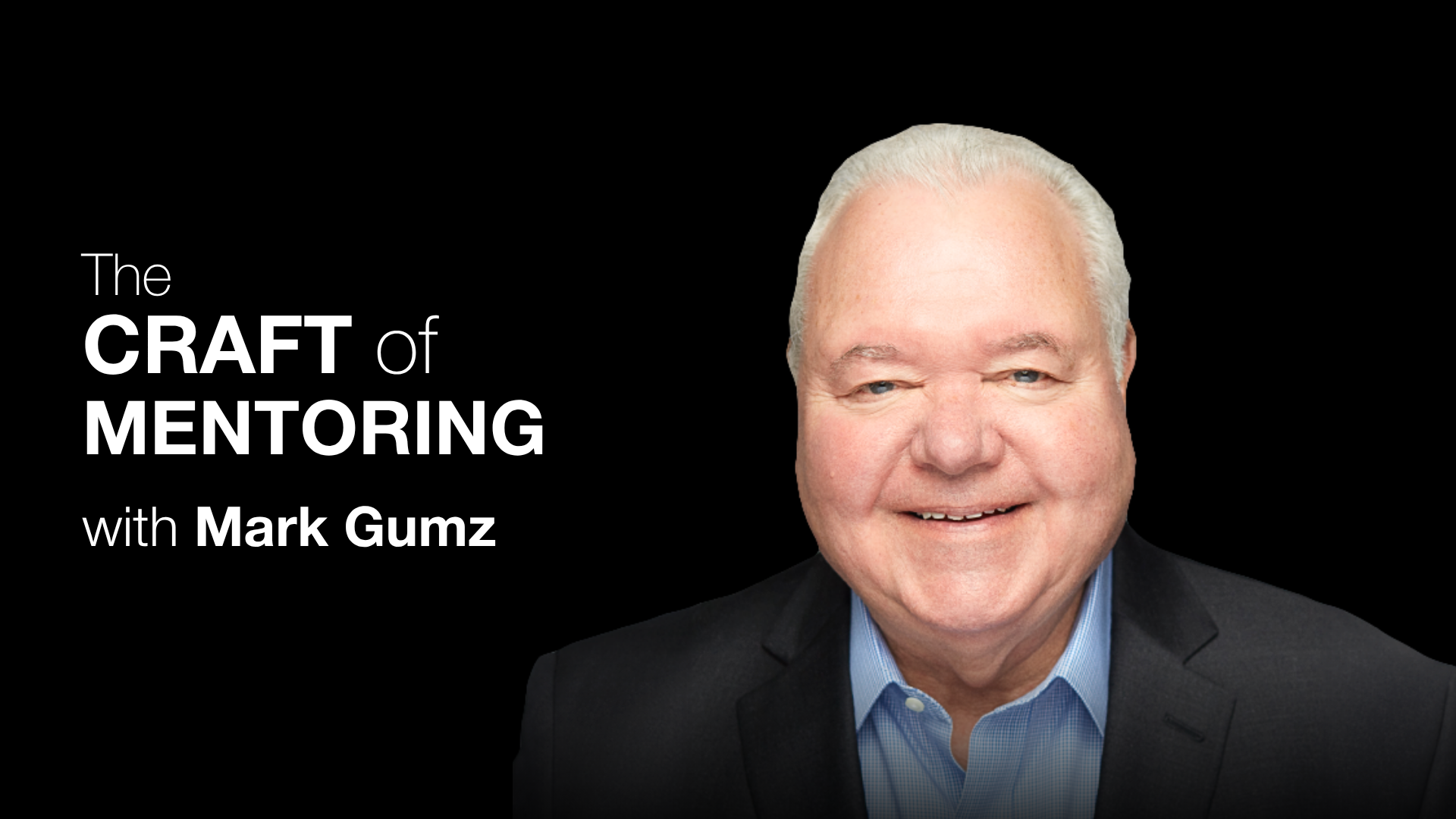
Mark Gumz, former President and CEO of Olympus Corporation of the Americas and a mentor and coach at The ExCo Group, shares insights with Adam Bryant on building chemistry in mentoring relationships, the power of vulnerability in establishing trust, and why leadership is about pulling people forward rather than pushing them.
Q. What do you consider to be the secret sauce of effective mentoring?
A. Getting chemistry right is critical as it sets the stage for everything that follows. A good and thoughtful chemistry allows us to quickly develop a relationship with the mentee and to build on areas that they are interested in working on.
Listening is always critical, but especially at this initial meeting, and it’s important for both me and the client to practice good active listening. We’re dealing with people who have a lot to say. They’ve already proven themselves, and often they want to talk and share what they’ve done. By the same token, they need to be able to listen, as well, just as I need to listen closely to them and have a real conversation.
Q. How do you quickly establish trust?
A. I’ll share stories from my own journey, including what did not go well. Vulnerability is an important leadership strength and quality, and I share those stories because I want them to know that I’m not going to have an answer to everything. That said, if we don’t have an answer, we’re going to figure one out together, and I encourage them to do the same with their teams for better results.
Q. You mentioned the importance of listening. Is that a skill you had from a young age, or did you have to develop it later on?
A. I learned to listen better early in my career because I came into business with a humanities degree and a major in English literature. But I always look for patterns, and you have to listen carefully to pick up those patterns.
As just one example, I realized early on that business is similar to writing an academic paper. You start with a thesis statement, and how well you prove that thesis will determine the grade you get. The same thing happens in business—how well you understand the strategy and the units of conviction needed, so you can execute against it, will determine whether you get the results you want.
Q. What mentoring tool or framework do you rely on the most?
A. The action plan that I develop with my clients at the beginning of our engagement is the most important and impactful tool, because we use it to measure our progress. And the client can also share it with their managers and HR business partners, which helps align everybody around what success will look like.
The action plan will typically have four or five objectives, and we may take care of a couple of them in the first few months, after which they’ll be replaced by other opportunities for improvement or growth that we have learned about.
Q. What’s an example of a challenging conversation that you have to help your clients navigate?
A. They fall under the category of speaking truth to power. Sometimes people are afraid to go through the front door, to use a metaphor, and be direct with their boss. So they use indirection to go through the side door or the back door. But you have to go through the front door, and it will work so long as you are prepared for the conversation.
Also, you shouldn’t have more than three things you are trying to solve for, and you’ve got to come in with a proposed solution so you can present “from/to” scenarios. There are CEOs and other senior leaders who don’t necessarily like to hear certain things. But they often need to hear those things, and you have to find the right way to communicate with them so you are heard.
Q. What’s the best lesson you’ve learned from a mentor over your career?
A. As a leader, there are often situations where you should take some time before you answer a question. The reason is that, even though you may think faster than anybody else at the table, you will look like you didn’t think through an answer before sharing your opinion. Your answer may be exactly what you would have said right away, but the point is that it looks like you carefully considered the question before offering an opinion.
Q. What’s the wisest thing that you’ve ever read, heard, or said in the context of leadership?
A. President Eisenhower was asked, What is leadership? His answer was that leadership is like a string. If you push a string, it curls up and goes nowhere, or in a business sense, leads to chaos, while pulling (leading by example) creates follow-through.
Leadership has to be about pulling people, because building followership is the most crucial skill for being an effective leader. If they don’t have followership, you cannot be successful.
Recent