Art of Leading
I Really Value People Who Are Proactive. They Lean Forward And Say, “I’ll Take The Ball.”
Art of Leading
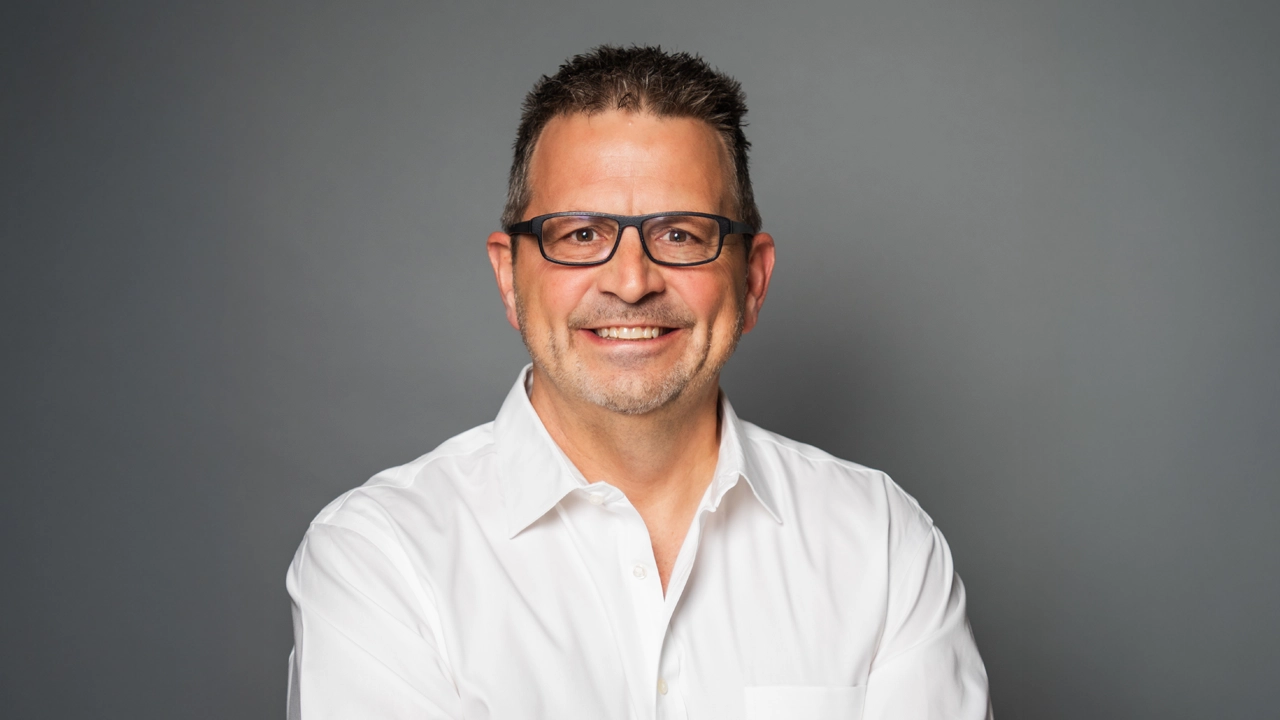
David Tanner, President and CEO of Aspen One, shares powerful lessons from his leadership journey in this interview with Adam Bryant. He reflects on the importance of proactivity as a hallmark of effective leadership, why integrity is non-negotiable, the value of hiring for drive over pedigree, and the personal discipline required to navigate the always-on demands of senior roles.
Q. What values are core to your leadership style?
A. Integrity is number one, followed by authenticity and proactivity.
At the end of the day, if you don’t have integrity, you have nothing. As we all know, trust is the foundation of leadership. During the time I spent in a military academy and as an officer in the Air Force, the importance of integrity was drilled into us as table stakes.
But when you get into the broader world, you see that not everyone works that way. Obviously, the world’s not black and white, but when it comes to integrity, it is pretty black and white. You see a lot of people playing in the gray zones.
Q. Authenticity means a lot of different things to people. How do you think about it?
A.It’s humility. It’s being approachable. It’s being direct. It’s being vulnerable. You have to be a relatable human—a real person that people actually want to work with.
I grew up in a blue-collar family. I was part of the first generation to go to college. I was the youngest of five brothers, and I had no money to go to college. I had 10 different jobs in high school. That upbringing allows me to be able to connect with people and find common ground.
After I got my MBA and I went into consulting, I started seeing some hard-charging personalities who were seemingly so qualified on a lot of levels, but then they didn’t have that authenticity or the street smarts. They didn’t have that ability to connect.
Q. And how did proactivity become important to you?
A. Starting out with no safety net, I had to make everything happen myself. I never got a handout or a leg up. So that breeds a level of proactivity into you. And as a military officer, you’re thrust into leadership positions at an incredibly young age, and there is a lot riding on your shoulders. Those were formative years.
Having worked in so many different organizations in my career—including bigger, more calcified companies—you see a lot of people spending time playing politics. It’s rarer than it should be to find people who lean forward and say, “I’ll take the ball.”
I’ve seen well-paid executives, who were established in their careers, who were happy to sit back on every call and just comment and not lead. I really value people who are willing to go the extra mile. The world only moves forward with people like that.
Q. Given that you value those qualities, how do you hire?
A. I want to understand people’s journeys deeply and how the role they’re interviewing for fits with that journey. It’s critically important to make sure there’s a match.
I tend to hire people who don’t have the perfect pedigree. Not everything has gone right in their life and they’ve had to scrap their way. I’m looking for that innate hunger and drive—people who have a chip on their shoulder and a fire in the belly.
You do have to probe on the technical aspects of the job, too. I’ve discovered over the years, particularly with people from certain big companies, that when you actually dig into their resumes, there’s a lot of embellishing and pretending that they have done things that they weren’t really involved in.
But 75 percent of the questions I ask are about values, drive, fire, and alignment. I will always choose a person who has imperfections but their heart is in the right place over a pedigreed smooth-talker who tells you what you want to hear.
Q. Can you share more about your early years?
A. We grew up in a suburb right near O’Hare Airport in Chicago. Both my parents were second-generation immigrants. My grandfather on my dad’s side worked in a laundromat, and my grandfather on my mom’s side was a roofer. My mom stayed home and my dad worked at what was then the First National Bank of Chicago. He was a blue-collar guy who somehow snuck into a bit of a white-collar world, working in back-office systems.
I have four older brothers. There was a lot of competitiveness with them, which is not surprising given that we were five males fighting over limited resources. From the time I was about 10, I did a lot of jobs, including delivering newspapers and cutting lawns. When I was 15, my mom helped me forge a photocopy of my birth certificate with liquid paper so I could work at Wendy’s at 15 instead of 16.
I also loved airplanes because we saw them all the time growing up next to O’Hare. My mom used to drop me off at O’Hare when I was about 10, and she’d tell me to run around the terminal for a few hours, and then she’d be back to pick me up.
Q. You’ve no doubt done a ton of coaching and mentoring of senior executives over the years. When you think of all those conversations, what’s the pattern recognition there?
A. The most important thing is to have the guts to have the conversations. I find that a lot of leaders say they like to give feedback but not a lot of them actually do it. You’ve got to have the fortitude to have those conversations because they’re never really comfortable.
I also have a lot of conversations with people about whether the job they have is really going to get them to where they want to be. I find that people sometimes take roles because of the title or the money. But when you peel back the human needs, they’re not aligned. I find I have more of those kinds of conversations as opposed to making suggestions at the edges about how they could have handled a meeting better, for example.
Q. What do you consider to be the hardest part of leadership?
A.The hardest part is the always-on nature of these jobs. It just never stops because the responsibility is always there. It’s not always a negative, but it’s always present.
I know a lot of leaders who take the same approach that I do, which is that I’m incredibly disciplined about sleep, exercise, time management, and diet. If you are not disciplined about those things, I don’t think you can withstand the always-on life. But don’t get me wrong. It’s a gift to be able to lead. But that’s the hardest part for me.
Download Article Here.