The Director's Chair
A Board Challenge: Is AI Embedded So That It’s Part Of The Culture Of Your Company?
The Director's Chair
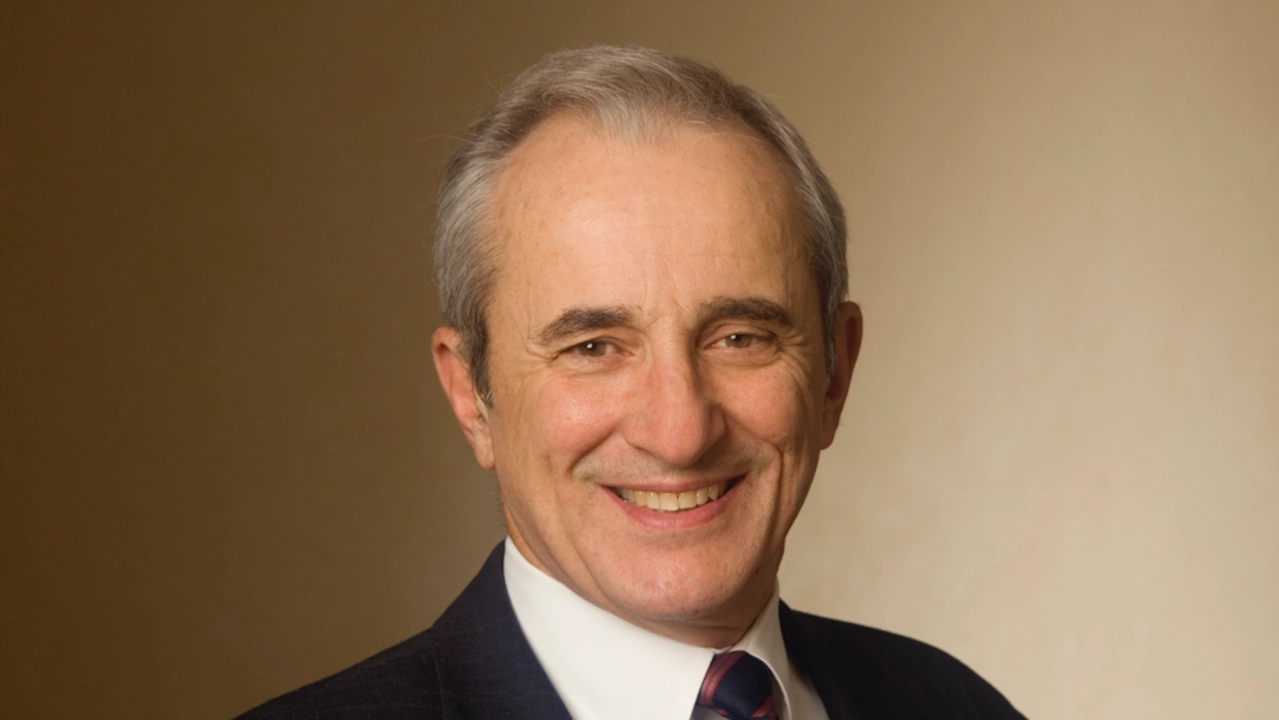
Dennis Chookaszian, Adjunct Professor at The University of Chicago Booth School of Business, joined The ExCo Group’s David Reimer, and Adam Bryant to share insights on embedding AI so it becomes part of a company’s culture, changing people’s habits in practical ways, and following the simple rule of “noses in, fingers out.”
Reimer: What questions should directors be asking themselves about AI and how it’s being incorporated into the companies they oversee?
Chookaszian: In my experience with boards, I find that less than 10 percent of directors are using AI frequently. People often think they’re an expert, but they’re not, because they’re not really using it. So I try to encourage them to use it. The question you need to ask at the board level is, do we have AI embedded so that it’s part of the culture of the company?
Everyone needs to be using it 10 or 20 times a day. Otherwise, you’re not going to be generating enough new ideas. It’s the same thing that happened when search engines first came out. It was a good five to seven years before they were broadly used. We’re effectively in the third year of AI as a useful tool.
Bryant: What is your advice to leadership teams and to boards to get their employees to embrace AI?
Chookaszian: In any organization, you typically will have three groups—the ones who are already using it, the ones who will get there, and the ones who will never get there. And that last group faces the biggest risk of becoming ex-employees.
You’ve got to let people know that they have to use it. I often get pushback from other directors about this. They will say that we can’t force anybody to do anything. But if you want the organization to prosper, you’ve got to get everyone using AI. You’ve got to figure out ways to change people’s habits so that they experiment more with AI.
Reimer: You’ve served on over 100 boards. What are the patterns you’ve seen about the essential skills of directors, regardless of the industry or type of organization?
Chookaszian: The one thing that a board member should do—whether they are part of a not-for-profit, public, or private company—is to remember one simple rule, which is “noses in, fingers out.” Too often, I’ll see an experienced director who thinks they can do the CEO’s job better than the current CEO. So they start meddling in details. I constantly coach board members by saying that if the CEO is not doing the job, you don’t do it for them. Instead, you should get a new CEO.
Another common theme is that there is drama on some boards because certain directors don’t like each other. These boards engage in arguing or fighting that is not productive. Those boards are dysfunctional, and it’s no different than a dysfunctional family. You need directors who are collegial and who understand that they need to collaborate to make the board function well.
Bryant: You’ve served on a number of audit committees. How are you seeing the nature of risk evolve?
Chookaszian: I try to get every board to recognize that every company needs a three-legged control structure—internal controls, risk management, and disaster recovery and crisis management. But the one thing that almost all companies miss is the need to, at least once a year, have a “think the unthinkable” meeting, where the board members discuss the possible things that they haven’t thought about before and are potentially major risk factors.
What companies typically do is to assemble a cross-functional team that meets quarterly to ask, what are our risks—not just the unthinkable, but what are all the risks we possibly face? Then you categorize them and, after the team brings them to the audit or risk committee, you decide whether you are going to mitigate or accept them. Once you’ve done that, you need to have a crisis-management plan in place.
Reimer: What are the X-factors you’re looking for when you’re considering candidates for a CEO role?
Chookaszian: The key dynamic I’m looking for is whether the person can work with the board and understand how to take direction. And then, once a decision is made, they know how to actually execute the plan and not try to, in some fashion, change the decision.
Bryant: What do you consider to be the hardest part of leadership?
Chookaszian: The hardest part is having to move someone out of a role who’s a good person but isn’t really doing the job at the level that’s required. I’ve often tried to work with someone longer than I should have or given them too many chances. The hardest part for me is facing the reality that there’s only so much people can change, and sometimes you just have to move on.