Art of Leading
Emails Are Easily Misinterpreted. That’s Why This CEO Sends Video Messages Instead.
Art of Leading
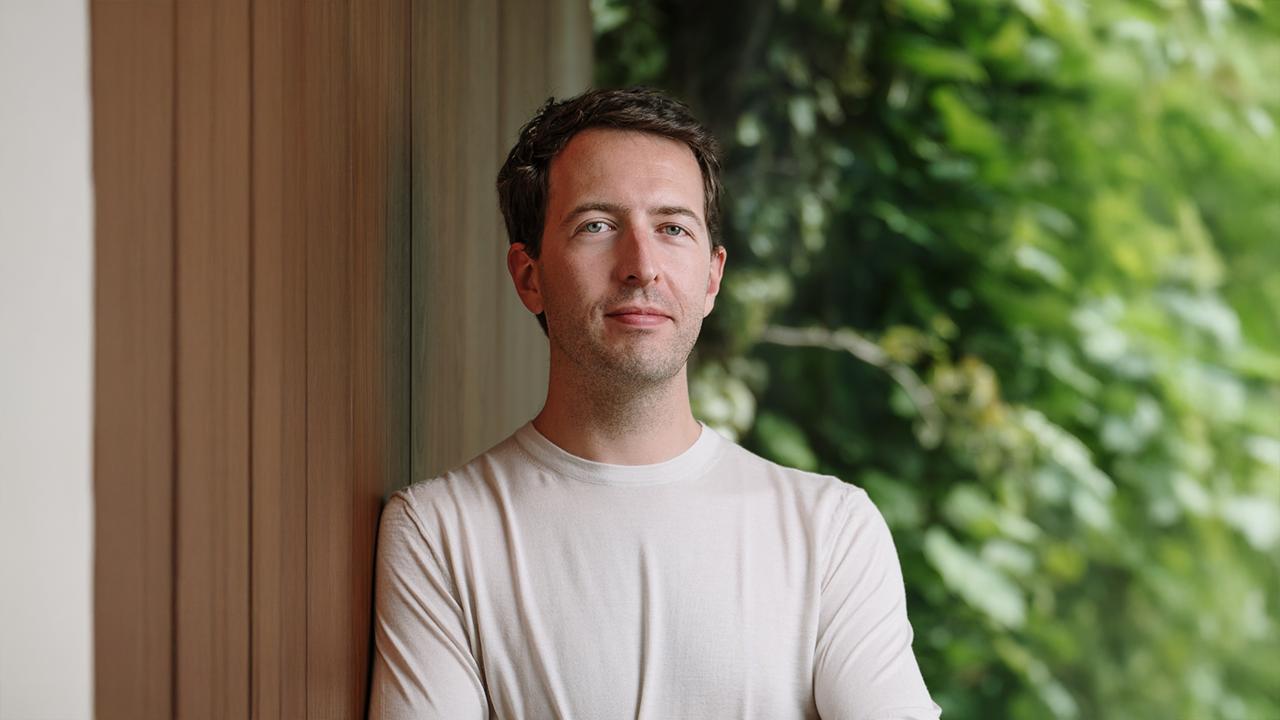
Job van der Voort, CEO of Remote, a global HR and payroll platform, speaks with Adam Bryant about why he added “intensity” as a company value, why he sends video messages instead of written ones, and how he navigates the loneliness of leadership.
Q. What three values are important to you that show up day-to-day in your leadership style?
A. I lead the way I would like to be led. I don’t like having a boss, because I don’t like the feeling of being micromanaged. So I never micromanage people. I believe that you should hire intelligent people and give them as much freedom as possible.
I give people ownership, and I expect them to deliver their best work. I expect them to come to me with things that need unblocking, because I have high leverage to help them. But it’s up to them to figure out how they can have the highest impact, and I will help them and coach them.
I also like to share with people, especially those who report to me, my thinking about broader company strategy. I want to take them along on the journey, so I don’t compartmentalize our conversations too much. I want them to understand how the work they are doing relates to the broader strategy.
And I have zero patience for politics inside our company. I don’t believe in layers. I’m very direct. I say what I think, and I expect the same kind of transparency in return from others, including if they have feedback for me. Intellectual integrity and honesty are really important to me.
Q. As you’ve grown to about 2,000 employees, are there aspects of the CEO role that have surprised you, even in a small way?
A. I’ve really had to learn to weigh my words carefully. As I said, I am very direct and I don’t like hierarchy. But I did have to learn to share my thinking with a lot of clarity—for example, when I’m just making a suggestion or adding a thought that’s part of a thread. But I sometimes find my words echoed back to me that this is what I wanted.
To help make sure that there is less confusion about my meaning, I’ve started communicating a lot more by sending short videos rather than writing something. I send videos for everything, including just to share a random idea. It means that you don’t edit yourself. I press record and then I send the link when I’m done. I never review or edit it. That is authentic communication, and it works very well.
Q. Let’s shift to your company values. Is there one that stands out for you that’s a bit more provocative than others?
A. About three years ago, we added “intensity” as a value. What we mean by that is agency, but agency is not a word that translates very well. So we chose intensity, because we believe it’s the greatest predictor of success of somebody who is working remotely, as all our employees are.
Intensity means you care very deeply about driving toward a particular impact. In any company, it’s so easy to get lost in a million Slack messages and in the bureaucracy of the complex things that we are doing. If you’re very intense about what you do, you tend to be able to break through. It’s the opposite of doing busy work.
Q. How do you hire? What questions do you ask in a job interview?
A. I want to know that they’re intellectually honest. If I ask them questions about the times when they worked hard on something and failed, I want to hear an answer that gives me insights into how people think about those moments.
And if I’m hiring someone for a particular role, and they have experience in that kind of role, they should have some strong opinions about it. I always ask, what is a controversial opinion you have?
Third, I’m always trying to understand the actual impact that somebody had in previous roles. I want to understand whether they were flying the rocket ship or if they were just a passenger. Many people have been really lucky in their careers, and were able to join a rocket ship. So I always want to know, how did you contribute? What were the decisions you made that had a meaningful impact?
Q. You mentioned at the outset that you like to hire people who take ownership, and that you don’t micromanage them. But some people want and need different things from their boss.
A. I tell everybody I hire that I’m not good at giving positive feedback. And I tell them that if they feel like they need feedback from me, they should just ask for it. As a leader, I get to decide who I hire, so I always try to choose somebody who I think will work well with me and who will work well with the team.
Q. I appreciate the self-awareness. But why aren’t you good at giving positive feedback?
A.Because I am completely focused on things that are broken. I am only focused on what’s next. When we make big plans to achieve a particular goal, I assume we are going to do it and I’m already thinking about the next goal.
Success is a given, and people’s performance is a given. The fact that people will do their best is a given. And if I have feedback to share about how somebody might do something differently, I will share that.
Q. What were early influences that shaped who you are today?
A. My parents are really relaxed people, so I always had a lot of freedom. I think that ruined me for ever being able to work for a boss. School was super easy for me, so I just did whatever I wanted. I live in the Netherlands, and we have a lot of freedom here, including physical freedom—it’s very safe here, so I could just go out and get on my bike and explore. And I’ve always felt a sense of freedom to just explore things that I’m interested in.
Q. What do you consider to be the hardest part of leadership?
A.It’s the loneliness. When you are running a company for a long time, it can feel like a revolving door for everyone except you. You build relationships with people, and then they leave for different reasons. As the head of a company, it’s never a real relationship—there’s always a large transactional component to it.
And as a co-founder, the company feels a bit like our baby, and we care very deeply about it. Sometimes you get the feeling that other people care as much about it as you do. But at the end of the day, if I stop paying them, they will go elsewhere, whereas I would still keep doing this work. So it’s a little bit lonely, but if you have a co-founder like I do, that helps a lot.