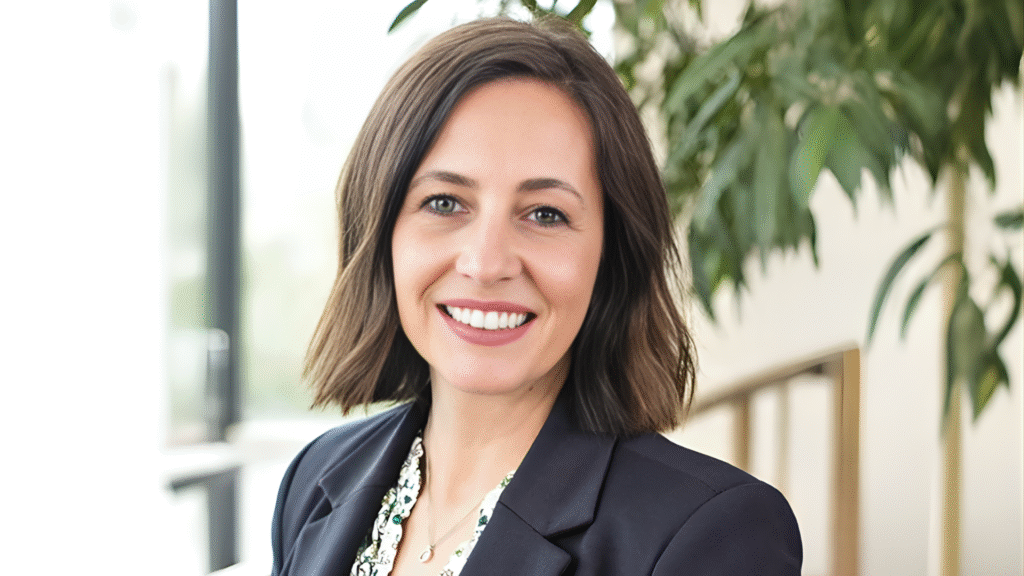

Pamela Codispoti Habner, CEO of US Branded Cards & Lending at Citi, shared her key leadership insights on how to get out of your comfort zone in Adam Bryant’s latest “Art of Leading” interview.
Q. What was a key leadership lesson for you early on?
A. From the beginning of my career, I’ve had a dream to be a CEO and to run a business. I started my career after college as a consultant, and I loved the intellectual challenge of working with bright people and tackling business problems across different industries. But at the end of the day, I wanted to be the client. I wanted to own the strategy and be responsible end-to-end for a business, so I switched gears and put myself on a general management track. I took roles in strategy, product management, sales, and marketing—and I bet on myself.
I always remind team members how important it is to tell managers and leaders where you want to go because they can’t figure that out unless you let them know. It can be scary to put a big goal out there, like being the CEO. Even if you may not get there, it helps define your path, creates the fuel for a career development plan, and helps those around you know where you want to go.
I’ve been given opportunities to take big leaps in my career, and at times I’ve questioned myself. Am I ready for this role? Do I have all the skills necessary to be successful? And then I’ve stepped back and said, if someone’s willing to bet on me, I should bet on myself. When you get out of your comfort zone, that’s really where you learn the most.
When you get out of your comfort zone, that’s really where you learn the most.
Q. What were important early influences that shaped you?
A. My father was a huge role model for me. He was born in Italy and came to the US when he was eight years old, not knowing English. He was a determined, smart man who graduated from high school early, got a scholarship to Georgetown, was in ROTC and the Air Force, and then went to law school and became a lawyer. He lived the American dream.
He was determined to build a life for our family that he didn’t have as a little boy, but he passed away when I was just ten. That put us on a different path, but I’ve always thought about the grit that he showed throughout his life.
Q. Can you share more about the different path your family was on after he passed away?
A. My father was the sole breadwinner, so my mom never worked and didn’t even have a credit card in her name. When he passed away, it created a lot of financial challenges for us, and my mom had to lift herself up by her own bootstraps—which she did, ultimately pursuing a successful career as a social worker.
To a degree, we grew up together and even got our driver’s license on the same day. There were moments of role reversal when I was helping her along as much as she was helping me.
Q. What was an important early career lesson for you?
A. When I was in my first role managing a team, my boss said to me during a performance review, “Pam, you’re doing a terrific job, and you’re working really hard, but I really need you to stop delivering 150 percent, and start going out to lunch more.”
It took a minute to absorb that feedback, but she was saying that you have to bring your colleagues along with you and take the time to invest in those relationships. After that moment, I changed my approach, and my career started to take off. I certainly had more fun at work, as well.
Q. When you’ve coached senior leaders, what themes come up most often?
A. One is around perspective. Successful people can, at times, get very focused on their particular roles and responsibilities. I encourage leaders to take their periscopes up and look beyond their direct area of responsibility to understand what they can do to help advance the broader firm. People who are very driven can sometimes get a bit of tunnel vision.
A second area I often coach people on is to make sure that they are taking the time to balance short-term goals and long-term goals. A quote I always borrow from one of my former leaders at Amex is, “To be a successful leader, you need to keep your nose to the grindstone and your eye on the horizon.”
I’ve come across a lot of great leaders who live at 50,000 feet in terms of strategy but aren’t able to rally the troops to drive results. And there are many other people who, if you give them a roadmap, can execute but struggle with a blank sheet of paper. You have to make sure you’re doing both if you want to progress and be a leader of a big business.
Q. What do you consider to be the hardest part of leadership?
A. The hardest part of leadership is making difficult choices. We have to prioritize how we spend our time and how to invest resources to achieve the best outcomes for our customers, the business, and the team.
As a leader, you take in all the imperfect information you have, make choices, and move forward. It is important to keep in mind that nobody’s perfect, and if you make the wrong choice, recognize it and pivot if you need to.
Recent