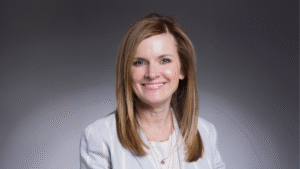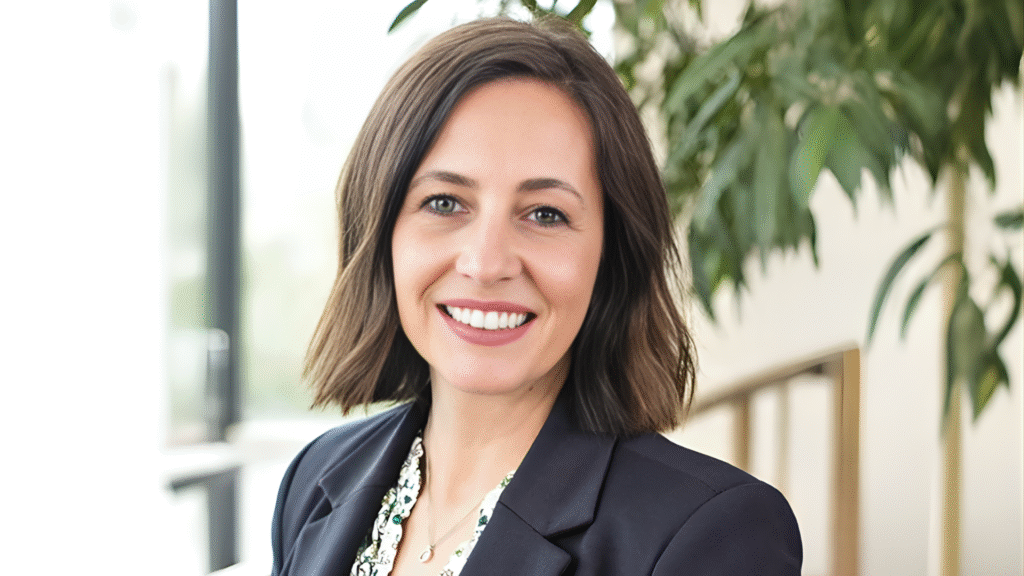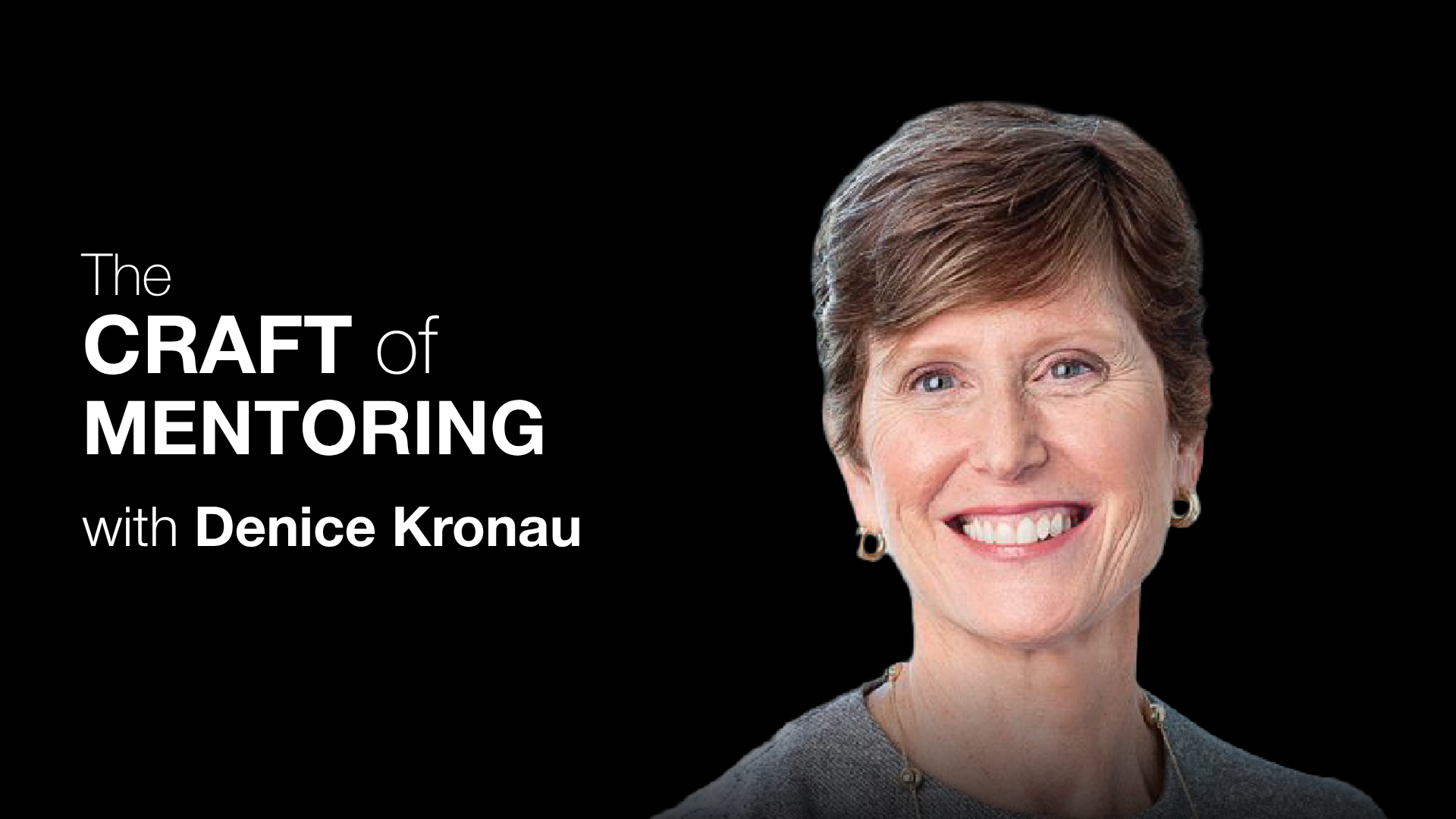
Denice Kronau, former Chief Diversity Officer of Siemens AG, former CEO of Siemens Global Shared Services, and former CFO of Siemens US and Siemens Healthcare Diagnostics, and a mentor and coach at The ExCo Group, speaks with Adam Bryant about the power of listening over talking, why human relationships are often the real barrier to success, and the importance of remembering that “now is not always.”
Q. What do you consider to be the secret sauce of mentoring?
A. Not talking. Anybody who’s been a senior executive has had to solve complex problems, so we can jump to an answer pretty quickly. But that doesn’t help the person who’s talking, because they almost always have the answer, and they need to keep talking so that they come up with it themselves.
When I let my clients talk more, they usually walk away more satisfied than if I had jumped in and given them an answer. That said, there are times when they do want the answer, and I will share what I would consider, given what they’ve shared about the challenge. And I will frame my answer that way, given that I’m probably lacking 60 percent of the information I need to give them a fuller answer.
Q. What conversations tend to lead to the biggest unlocks for you?
A. I spend a lot of time understanding how they see their stakeholders and their team. I generally find that my clients know what they need to do in terms of strategic priorities, but it’s the human relationships that are getting in their way. It’s not the content of the work.
I see a lot of leaders who are overly focused on tasks and ticking off boxes at the expense of spending time with their people and their peers. They say they’re too busy and need to get the work done. They don’t want to invest the time if they don’t think there’s a clear outcome from the conversation. They don’t understand that their stakeholders and other relationships are what’s going to get them over the finish line faster. You have to go slow in the beginning to go fast at the end.
Q. What is the most powerful lesson you learned from your mentors over your career?
A. I had two bosses over my career who had this uncanny ability to motivate me. I would walk into their office with my list of 25 things. And every time I walked out, I couldn’t wait to get started. I think it was a combination of them seeing me as a human being and understanding what’s important to me and what motivates me. And it is different for everybody. You treat people as they want to be treated, not as you’d like to treat them all.
When I was first working for Philip Morris in Richmond, Va., my boss would tell me what to do, and I did it. And then when I was promoted to manager several years later, I assumed I could just tell people what to do. But you’ve got to manage them like they want to be managed.
Q. What is the wisest thing you’ve ever read, heard, or said in the context of leadership?
A. “Now is not always.” Whatever you’re facing in the moment, it can feel all-consuming. It might be good, it might be bad, but whatever it is, it will change. If you remember that, it helps you appreciate the good things in the moment. So don’t get overly indexed on what’s happening now, because it’s going to change.
A related piece of advice is, “be here now.” Be here with your full attention now, because this time is going to be gone, and you don’t want to look back and regret looking at your phone instead of a beautiful sunset.
Q. How do you help your clients operate in this environment of so much ambiguity and disruption?
A. I often tell people who are feeling overwhelmed that you are not your job. You are the person doing your job. You may be a straight-A student type and want to overachieve. But you are so much more than your job. Your kids do not think you are your job. Your parents don’t think that.
And I often have to remind people that the things that are out of your control are honestly out of your control. The only thing that’s within your control is how you react to it, and you have more options than you think.
Q. Are there topics coming up more often now than in the past?
A. I mentioned this earlier, but the new problem for me is that I am seeing a lot of senior leaders who are getting very task-oriented. They’re worrying about ticking off the boxes. I think it helps them feel a sense of accomplishment and control at a time when everything can seem so overwhelming. But focusing on tasks means they don’t have time to step back and try to make sense of all the things that are swirling around us.
Recent