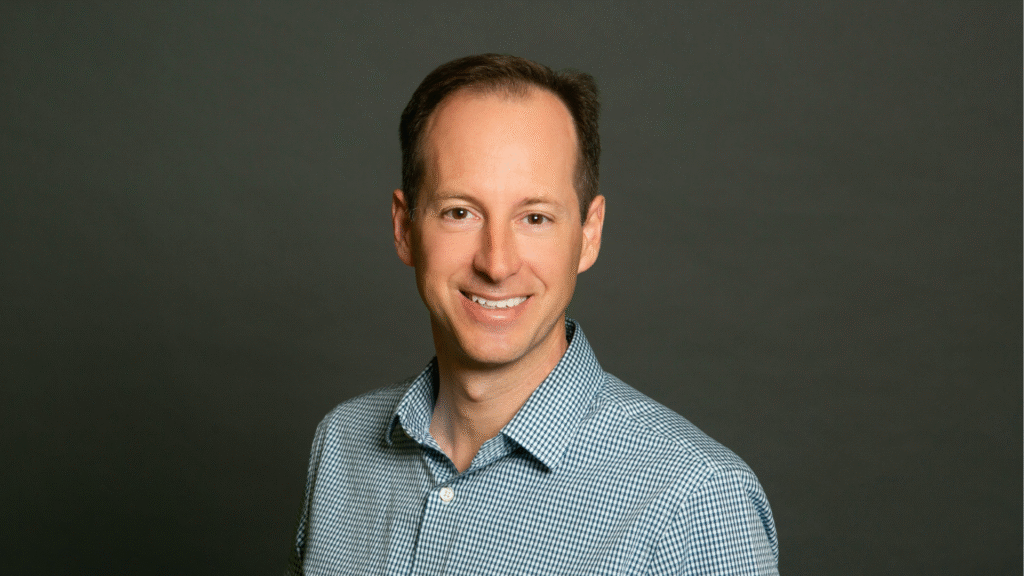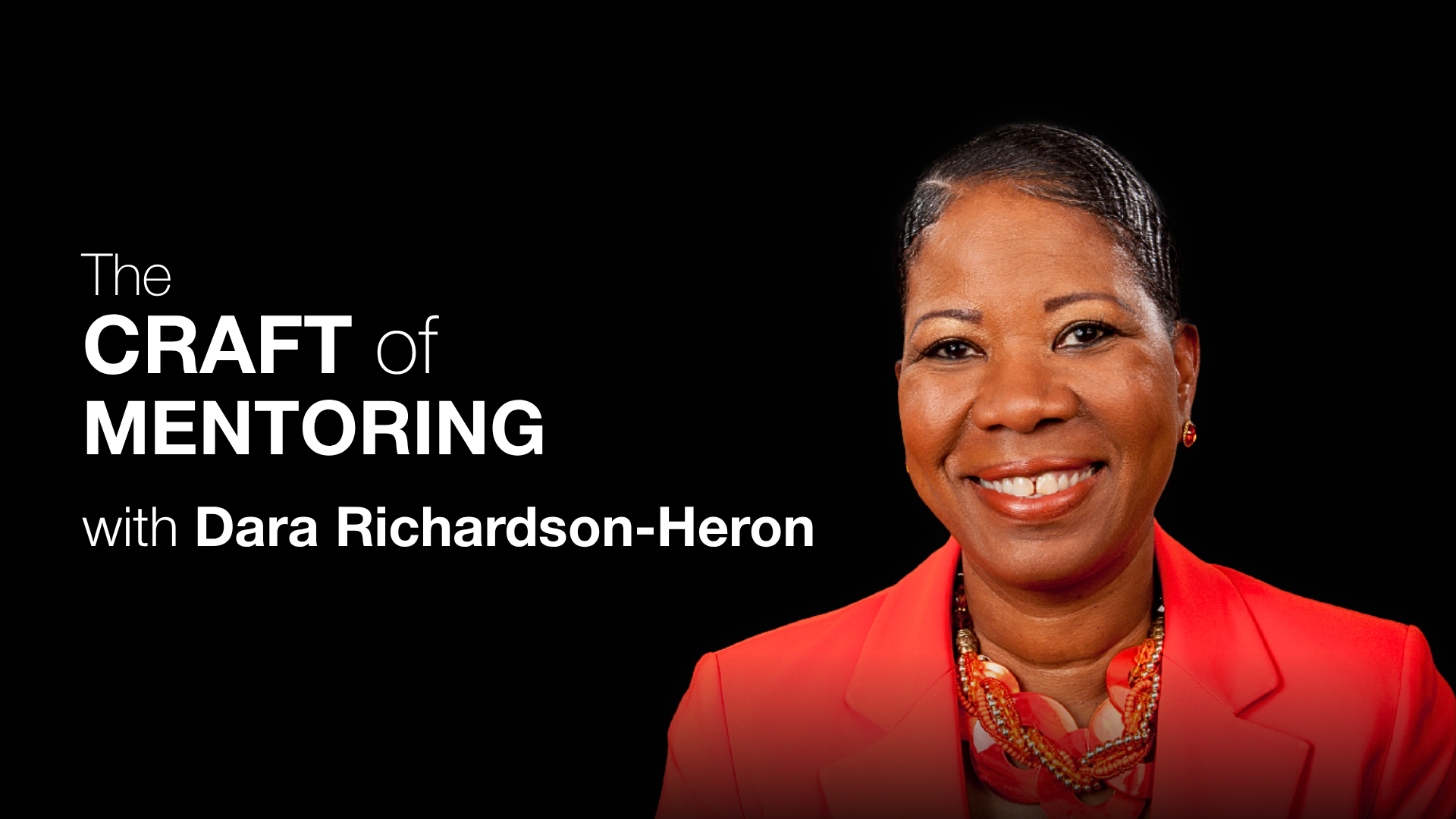
Dr. Dara Richardson-Heron, former Chief Patient Officer at Pfizer, Inc., and a mentor and coach at The ExCo Group, shares her insights with Adam Bryant on building trust quickly with new clients, the power of co-created action plans, and why “valley leaders” who thrive during difficult times reveal the strongest leadership.
Q. What do you consider to be the secret sauce of mentoring?
A. It starts with natural chemistry, authenticity, and mutual respect. With coaching relationships, you don’t have an opportunity to, in effect, date for months before you agree to a partnership. So it’s paramount for the initial chemistry between the mentor and the mentee to feel right at the outset.
For the partnership to work, people have to feel safe, and they must also have the courage to communicate openly and honestly, and to surface any issues as soon as they come up.
As a mentor, you also must have passion and inspiration. The best mentors in my life, starting with my parents, made it clear that they believed in me and my abilities. They were invested in my success. There was never a question as to whether they cared or had my best interest at heart.
When I succeeded, they were my biggest champions. When I didn’t quite meet the mark, they were always there to inspire me to get back up and try again. So when I partner with a client, I do everything I can to make sure that they know and feel that I trust them, that I care about them, and that I believe in their abilities.
Q. How do you quickly build that trust?
A. Before I meet a potential client, I do an incredible amount of due diligence. I scour the internet. I use any available resource I can find, including social media, to understand what they are like and what makes them tick. I’ll listen to any podcasts they’ve done, and check LinkedIn for any people we both know.
I make it natural, but I find ways to show them that I care enough about them to have learned about them before I meet them. I also listen without judgment and show empathy, which helps build a foundation of trust.
It is lonely at the top, and the leaders we work with are at a level where they have few opportunities when people are genuinely, authentically recognizing and interacting with them.
Q. Is there a particular tool or approach that you use that tends to lead to the biggest unlock?
A. My best, most impactful tool is a co-created action plan. It really serves as the road map and the measuring stick for how well we are achieving our goals together. So at the outset of every engagement, I ask my client and their key stakeholders what good looks like in a partnership and in their role over the next six months or year that we will work together.
I like to limit it to three to five strategic goals that closely align with the organization’s goals and that have been prioritized based on conversations with the client, the client’s manager and other key stakeholders.
One reason this alignment is so important to me is because, throughout my career, I’ve seen far too many leaders invest an inordinate amount of time, resources, and energy pontificating on lofty strategies and goals, but they don’t spend enough time succinctly translating priorities into real, concrete goals and actions that can deliver tangible results and impact.
Q. What’s the most challenging conversation you had with a client that ultimately ended in a good place?
A. I had one client who was told that his behavior would no longer be tolerated, and that if he didn’t make significant changes in how he interacted with every level of the organization, he would be out of a job within the next couple of months. Many people described him as one of the most difficult people in the company to deal with.
I believe that when people are behaving in this way generally, there’s more to it than meets the eye. I had to figure out quickly if this person was going to be resistant to feedback. And there were some dicey moments early on, because he had always been one of the smartest people in the room for much of his life. He was all IQ and no EQ. But I showed him empathy and made sure he knew I was on his team.
Ultimately, we were able to connect in a way that he started sharing why he had built up these walls and defenses. I had to help this leader understand that while he may have had reasons for some of his behaviors, he was now at a crossroads, and that he had to behave differently if he wanted to stay at the company.
I was dealing with a super-achiever, a brilliant person who had never been given constructive feedback—or if he had, he didn’t internalize it, and he was allowed to get away with it for many years because he added significant value to the organization. However, it was clear to me after speaking to his manager that his “grace period” had expired. Through our work together, he was able to change his behavior and thrive for an additional year, though he was eventually let go in a broader downsizing.
Q. What’s the wisest thing you’ve read, heard or said in the context of leadership?
A. It’s a Winston Churchill quote: “Mountain tops inspire leaders, but valleys mature them.” Everybody can be a leader when things are going great, but the strongest leaders reveal themselves in the valleys, when you don’t have the resources. Think about Covid. The real leaders figured out how to allay the fears and concerns of their employees, take care of them, and stay focused to make sure that the main things remained the main things.
They knew how to shift gears and prioritize what the organization needed from them at that time. And this current moment is very similar. The “valley leaders,” as I call them, know that they have to provide clear communications and expectations.
You have to help people understand your why. Why are you in business? How are you making an impact? People are in a state of constant stress and they need to be inspired to keep going every day. Valley leaders figure out what needs to happen, and then they map out an action plan to get it done.
Recent