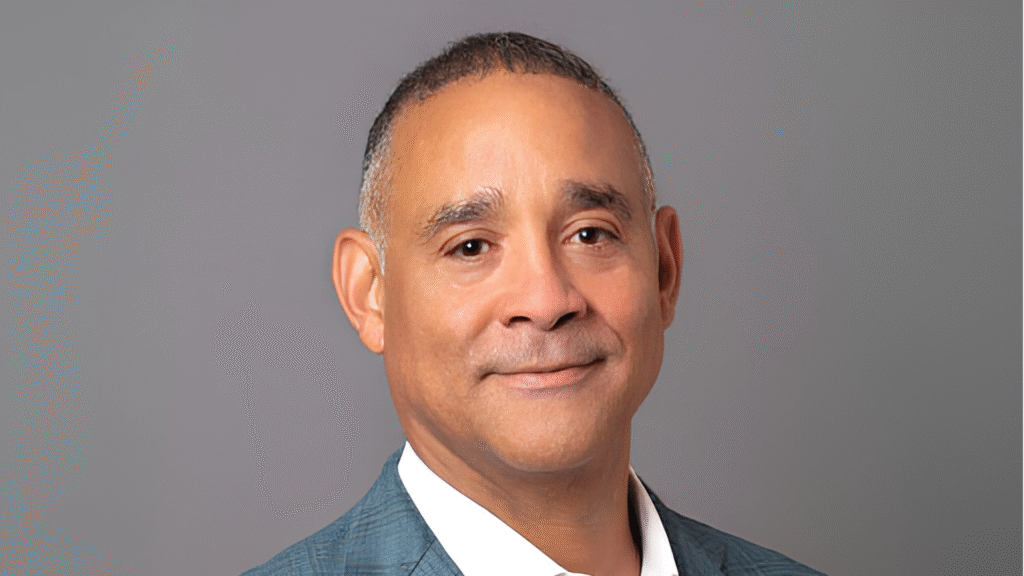

Brian Dye, CEO of Corelight, shared sharp leadership insights with Adam Bryant. Key themes include why aligning on the “why” unlocks delegation and trust, how embracing feedback transforms both the giver and receiver, and the power of betting on passionate people even when they can’t make the logical case.
Bryant: What is foundational to your leadership style?
Dye: The absolute core of effective leadership is getting aligned on why we’re doing what we’re doing, and there are a bunch of tendrils that come from that. If you can get aligned on the why, then you can earn an incredible amount of delegation and trust on the what and the how, because it’s the design intent that really matters.
There’s a planning process that the U.S. Army refined called the “commander’s intent,” in which each battlefield commander was required to be able to state their goal in one sentence. Then everyone on their team had to create their own sentence that supported the overarching goal.
The beauty of that clarity, and the idea of earning autonomy, has been super-foundational to how I think and how I lead. For example, our strategy and annual planning process is a very participatory, co-created document. When you build that with your leadership team, then you don’t have to be that involved in all the following steps, and you can have a lot of confidence that everything will mesh together.
The second big thing for me is the power of feedback, and there are a couple of stories behind that. One of the best pieces of feedback I ever received was also the most painful one. I had been a chemical engineer before moving into a product-management role.
After about three months, I asked a guy I was working with, “How am I doing?” He said, “You’re 50 percent of the way there.” That was crushingly disappointing after spending three months working so hard. But it was exactly the feedback I needed, because I hadn’t set my sights high enough.
Later in my career, after I moved into my first executive role, I started getting feedback that I was intimidating. Given that I am five-foot-eight and 150 pounds, intimidating was not a word that had ever been used to describe me up until then. But I hadn’t understood that rank itself is intimidating, and as you lead bigger and bigger teams, you get into environments where people know you more by brand than anything else, because they haven’t spent much time with you.
I learned that the reason people thought I was intimidating was that, when I got excited about a topic, I would start asking a lot of questions. Those questions can be perceived as me being excited, or they can be perceived as a proctology exam. That feedback helped me be much more intentional at the start of meetings about what to expect from me.
The third one is that I really value initiative. I love to be led. I go out of my way to make it clear that I have to drive some key decisions, including making sure we are aligned on strategy. But for everything else, I take tremendous joy in folks coming up with new ideas.
Part of the ‘aha’ for me on that starts with the fact that I’m such a structured, logical thinker. So one of my challenges has been to figure out how to best support someone who is an expert on a topic and super passionate about it, and yet they may struggle to describe why they think their idea is a good one.
I’ve learned to bet on those people, give them rope, and let them run. Maybe it’s going to work, maybe it’s not. But their inability to make a logical argument to me is not the right reason to stop that initiative.
Bryant: On your point about feedback, how do you set the tone so that people are open to it, rather than being defensive?
Dye: I’ve always been a fairly direct person, but I’ve had to learn to be more diplomatic. I’ve gone out of my way to help my direct reports know that not only do I want feedback from them, but it’s actually part of their job. If they’re not giving me feedback, then we are all on a path toward the emperor having no clothes.
You’ve got to be able to tell the CEO what they don’t know. It’s not a command-and-control, one-way path. I go out of my way to welcome the feedback, and then I share it with the broader team. Being transparent and vulnerable yourself is super-important.
In terms of giving feedback, I try to make it as timely as possible, rather than delaying the conversation. I also find that feedback is a lot better when you align with the person about why you’re giving them the feedback. The why needs to anchor into not only the company’s strategy but also the person’s career development.
If you can create a clear line of sight between your feedback and their career goals, then it changes their perception of the feedback from critique to investment. It becomes a much more friendly conversation.
Bryant: How do you hire? What questions do you ask?
Dye: I start the interview by giving the candidate all the power by saying, what questions do you have for me? I’m assessing the quality of their questions because that shows you how motivated they are and whether they have done their homework. I’m also watching to see whether they iterate on my answer. Are they curious? Are they processing in real time? Are they adapting based on what they learn?
I’m also a big believer in behavioral interviewing. So I’ll ask a lot of questions like, “Tell about a time when you did X.” And then I’ll probe to understand their thinking and decision-making process. How clear are they about what they would do differently next time? That helps you understand their level of self-awareness and introspection.
I also spend a lot of time thinking about the role up front and being really clear about my non-negotiables and what I will give on. At any level, you’re going to be trading off something. And so I will spend about two to three hours with a candidate before I move them on to any other interviews with my team.
I’ve learned over time that if I don’t get conviction and do my homework, then I’m just sharing the hiring workload with all of my direct reports, who are going to have a slightly different perspective and aren’t quite as invested as I am in understanding the true fit of the person.
So I will use the interview panel to deepen, round out, and fill holes in my understanding. But I’ve got to get reasonable conviction that this person would be solid.
Bryant: What were early influences that shaped who you are today?
Dye: There were a few that were really foundational. Both of my parents teach, and there’s a lot that I inherited from that – the focus on academics and the understanding that you have to be able to present a topic in different ways so that all your students will understand.
The second big one was swimming. I was a competitive swimmer all through high school, and from age seven through college. We had a pretty good program in high school. We would send a few kids to the Olympic trials every cycle, but I was not one of them. I was good, but mostly I was the kid who was hanging on for dear life, just clawing my way through some incredibly hard workouts. I attribute a lot of my grit and work ethic to that experience.
There was a third experience that I didn’t think much about at the time, but my parents made a huge deal of it. When I was in high school, I competed in my first triathlon. It was a neighborhood YMCA event, not some big, polished event. I was in third place during the race, but then the lead two athletes made a wrong turn and got off course.
As a result, I technically finished the race first. And when I found out what happened, I said, “They were both a solid two minutes ahead of me, so they absolutely deserve to win. Whichever one of them crossed first, give them first place, and give the other one second. I’ll be happy with my third place.”
I remember my parents being so proud of that. I didn’t see it as an ethics test. I viewed it more as an IQ test, because I could have gotten lost the same way myself. After all, it was a small-scale race, and it would have been incredibly easy for anybody to get lost in that course.
Bryant: What do you consider to be the hardest part of leadership?
Dye: The hardest part is creating credible inspiration. I say that because leadership is about motivating unified action in a common direction to create a better result. You want to get people excited, and you want to be inspiring and thrilled about the future. You want people to be as excited as you are. But if you’re too wildly out there and you fail the credibility test, your team won’t follow you.
And if you’re too incremental, your team won’t be excited enough to make the kind of impact and change that they could. It’s about hitting the right balance so that your goals are exciting and a little bit scary but not terrifying or too fluffy. You have to be concrete about what your goals mean and the why behind them. If you can do that, you’ll create credible inspiration.
Recent