In this series, we explore some of the most important lessons and insights from our executive coaches and mentors.
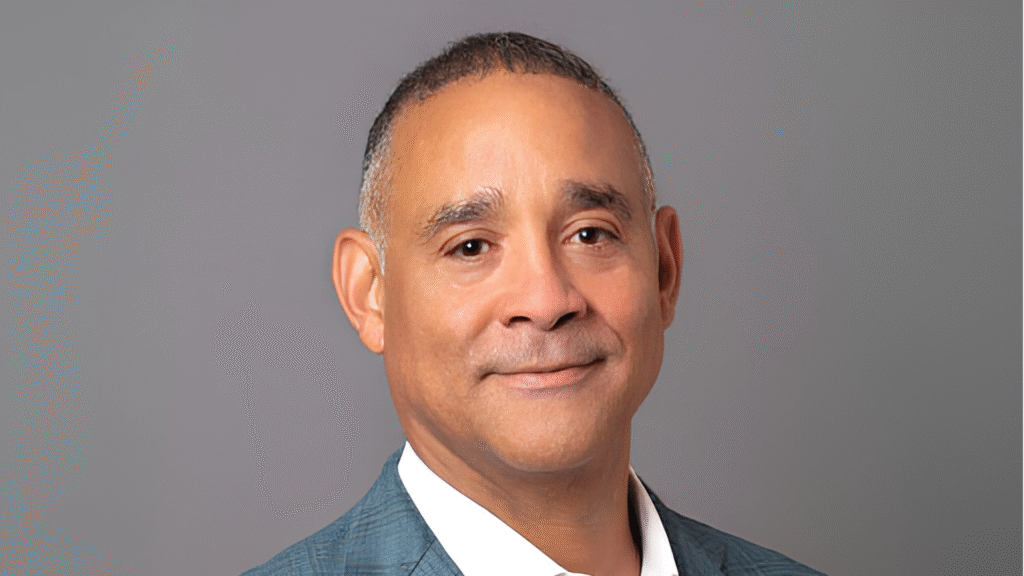
Reyad Fezzani, an executive coach and mentor at The ExCo Group, former CEO of BP Global Wind & Solar, and BP Petrochemicals, shares his key leadership lessons. These include the power of communicating beyond corporate speak, the critical role of authentic connection among your team, and strategies for navigating uncertainty.
Click here for more ExCo insights.
KEY LEADERSHIP LESSONS
I worked in the energy sector for 35 years. I was a chemical engineer by background, but I really came to life when I talked to people. Some of that comes from my heritage. I’m from Libya, and people there talk. And they like to do it face-to-face with a cup of coffee rather than send each other messages. It’s all about understanding each other through gestures and eye contact. So in my leadership roles, I always preferred face-to-face meetings.
One of my first jobs was working for a larger-than-life guy. He was a former union negotiator and worked mostly in supply and logistics. Early on, he gave me some coaching: “When you’re talking to people, you need to keep all that corporate-speak back where it came from.” I said, “That’s not an issue for me.” My business was a supply and logistics operation that delivered fuels and chemicals to customers, and my entire team was truck drivers, schedulers, and operators. I had to change how I communicated with them, even how I dressed, to interact in a genuine and direct way and not use corporate-speak.
Getting advice like that early in your career is really helpful because you just don’t necessarily know how you’re supposed to behave and operate. That was really a pivotal moment.
And the broader point is that you have to adjust your communication style to the situation. I’ve seen many people have trouble with that, and they feel more comfortable talking to truck drivers in the same way they would talk to the chief executive. I’ve sat in so many meetings where people just talk past each other or switch off listening. Knowing how to connect with people is not only a core skill of business and leadership but is also essential to success.
“You have to adjust your communication style to the situation. Knowing how to connect with people is essential to success.”
The second lesson was about creating clarity in business, particularly around priorities. I mentioned my background as an engineer, and so I typically have a structured way of thinking and problem-solving. Those skills also shaped how I interacted with people. I was proud of myself for always being organized and prepared for meetings. Some of that came from my father, who was a banker. He was never really educated beyond high school, but he worked his way up to become a leader in banking in the UK and in Libya. He was always very prepared for everything he did, and that was a big influence on me.
WHEN I COACH CLIENTS, WE OFTEN TALK ABOUT…
Managing upward is a big challenge. Sometimes clients are dealing with bosses who are too enamored with the tasks they give people and the direction they set, and they probably are not listening as much as they should be. So most of the clients I’m mentoring are spending a lot of time thinking about those upward dynamics versus leading and helping their teams or building relationships with their peers. That’s why it’s so critical for people—particularly leaders and the people who report to them—to have clear and direct discussions with each other about their respective expectations.
The second theme is connected to the first. It’s about their relationship with their own team. And I sometimes find that there is no relationship—they take the approach of simply telling people what the tasks are, and they expect them to figure it out.
The underlying issue is uncertainty. In business, there’s no real broader acknowledgement of the uncertainty that exists. It’s a conversation that’s often missing. You see managers who take the approach of saying, “I told you what your objectives are, just go and do it. Why are we talking about anything else?”
The better conversation is to ask, “Given what we want to achieve together, is this the right task? And what’s the best way to go about it ?” The job of the leader is not to tell you how to do your job, but to actually help you with how to think about how to troubleshoot any issues, deal with uncertainties, and help make you successful. It should be a joint effort, with an alignment of interests, rather than just saying, “Here is what I want you to do. And it’s now your problem to figure it out, so go do it.” Too often, I see a negative tone to the work. More and better communication solves so many problems.
Recent