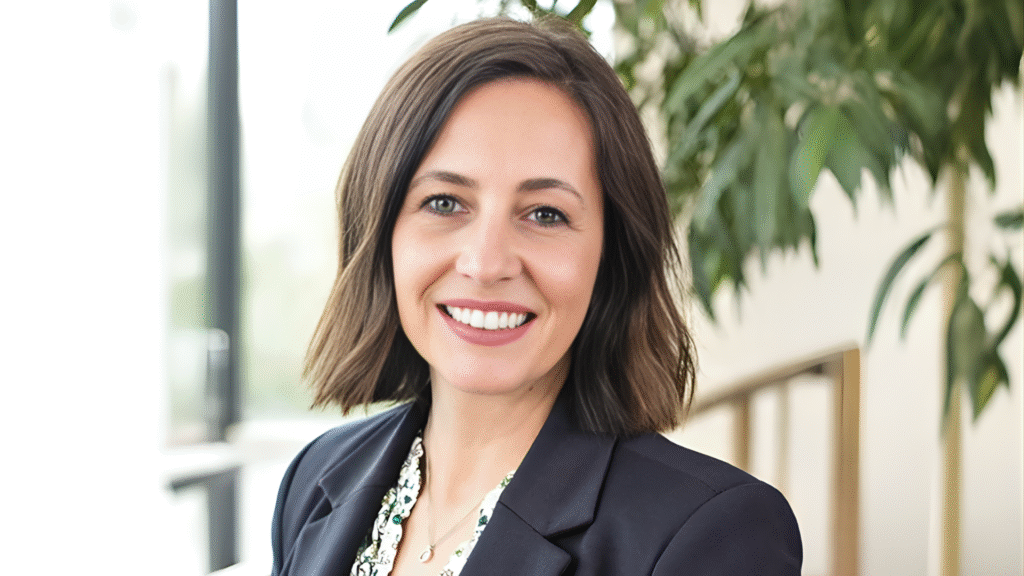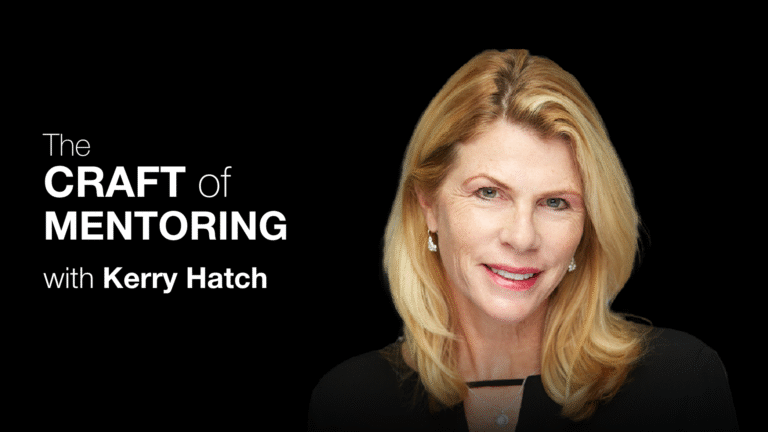
Kerry Hatch, former President of American Express Small Business and Starwood Luxury Brands, and a mentor and coach at The ExCo Group, speaks with Adam Bryant about building trust through lifeline exercises, using compassionate candor to help executives see themselves clearly, and why followership must be earned every day.
Q. What have you found to be the secret sauce of mentoring?
A. It’s building trust quickly to enable a strong and productive relationship, and then developing an action plan with clear, succinct goals, which creates a great foundation.
Compassionate candor is also crucial. I find that a lot of successful executives have been told they are amazing their whole life, and it’s our job to give them a clear and candid look at themselves in a way that they will hear it. We’re also strategic sparring partners. Our role is not to be strategists for them, but because of our real-world experience, we can help them think through their strategy.
Q. How do you build trust early on in an engagement?
A. I spend about 90 minutes having my clients do the lifeline exercise to share the highs and lows of their lives, starting at a young age. With that, and from all the in-depth interviews we do with their key colleagues beforehand, I’ll have a perspective on my client and how much alignment there is between how they see themselves and how others see them.
Another conversation that builds a strong foundation of trust is to talk about their life goals. What do they want to accomplish in their life, not just at work? One of my favorite questions to ask everybody is how long they plan to live. That opens up a conversation about what they want to do with their life, and how their job fits into that plan.
Q. Is there a challenging conversation you had to have with a client that ultimately landed in a good place?
Yes, I had a client who was condescending at times and quick to judge in team settings. We had a long conversation, and I was really candid with her to get to the root of why she showed up the way she did. Why do you think that about other people? How do you think you come across? How do you think they react to that? Why do you think you know better?
I talked to her about vantage point, just as I do with many of my clients. In team settings, it’s very easy for people to make assumptions about others’ motives, based on their particular vantage point. I will challenge people about the assumptions they are making, and ask them to step out of their own vantage point and try to see the world from the vantage point of others.
We all like to fill in the blanks about people, and in doing so we often forget their vantage point. That can be very dangerous. Ultimately, that client made a massive change, and she’s continued to be promoted.
Q. What’s the most valuable lesson you learned from a mentor you had over your career?
A. One thing I learned from a coach was to own your success and the power of your position. Sometimes, when high-potential people accelerate in their careers, they can get stuck in a comfort zone from earlier roles.
In my case, as I moved up quickly, I became a female role model in my organization. People looked up to me. It made me a little uncomfortable because sometimes I felt that people maybe listened too closely to me. But I learned to accept that responsibility. The CEO of my company also reinforced this with me. He said, “You are a role model. You don’t get to choose whether you want to be a role model for women. You just are, so own it and manage it.”
The coach I mentioned earlier also taught me about the power of position. The more you rise up in the company, the less people tell you. Even people whom you’ve known forever will tell you less and less because the positional power you have makes people nervous. So you have to find new ways to get people to be candid and honest with you, and to make them comfortable to share information.
Q. What is the wisest thing you’ve ever heard, read, or said in the context of leadership?
A. Followership is earned, not given. People sometimes confuse positional power with followership. You have to earn the right to lead people every day. It is something that I take very seriously, and it’s why I got into coaching.
I don’t think it’s okay to be a less than great leader, because the ripple effect you have on so many people’s lives is massive. To be a great leader, you have to care about it and learn how to do it well. There’s never been a more important time to maximize one’s leadership potential.
Q. How do you help coach your people to lead in this environment, when it’s so easy to feel overwhelmed?
A. Focus on the business. It’s easy to get lost in everything that is going on. But at the end of the day, as leaders of companies, we’re here to drive shareholder value by delighting customers and having crazy-happy employees. So you stay focused on the core questions. How can we make a difference in the business? How can we create more of a competitive advantage? How do we build a strong leadership culture?
Yes, the pace of change keeps accelerating, but you have to drive success and treat people well, with a good environment that helps them be the best version of themselves. That’s what we’re here to do. Focus on the things you can change and impact because it’s easy to get caught up in all the other stuff. People want to come to work and feel like they make a difference, and it’s our job as leaders to enable them to do that.
Recent