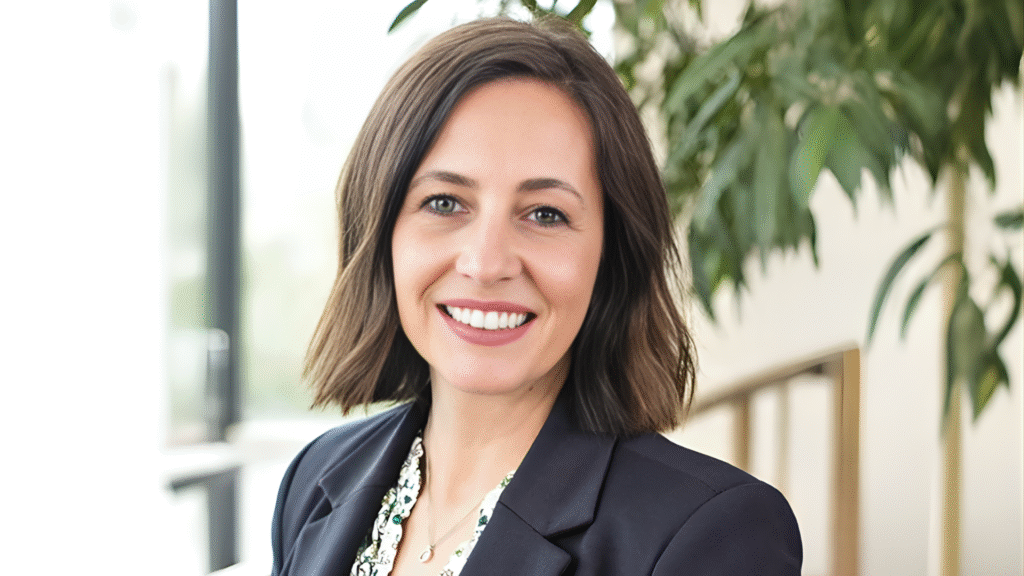
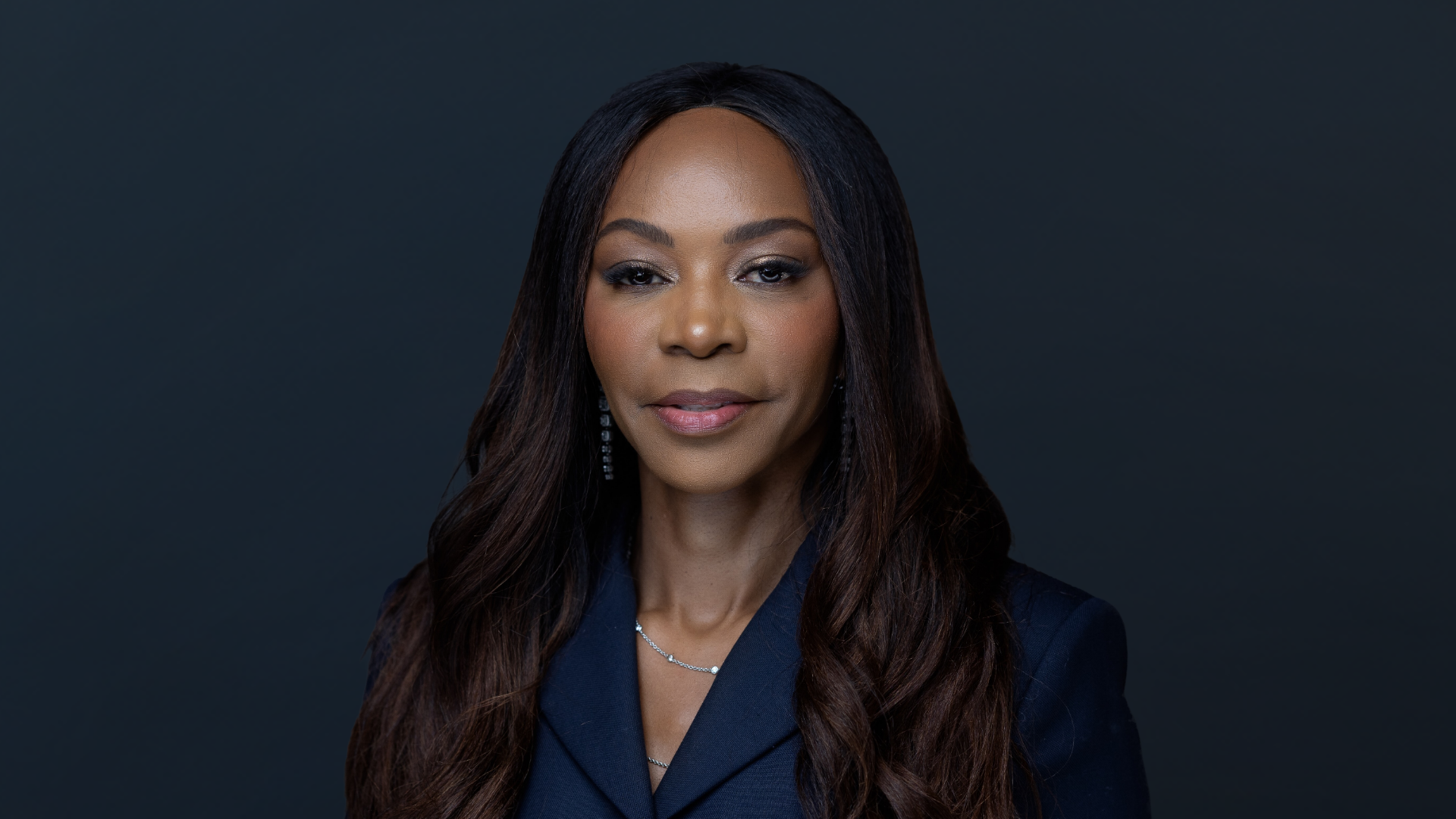
In this interview for The Director’s Chair series, led by Adam Bryant, Baroness Dambisa Moyo, a veteran director who serves on the boards of Starbucks, Chevron, and Condé Nast, explores how boards must adapt to an era of accelerating disruption. She discusses the compression of board planning horizons, the imperative for directors to remain in constant learning mode, and the structural shifts reshaping the global economy.
Q. Is the structure of most boards still fit-for-purpose for this era of disruption and acceleration?
A. The level of uncertainty is showing up in boardrooms now, specifically by shortening the horizons of the board. When I first joined boards, it was management’s role to think about the short-term and day-to-day, while the board’s role was to show up four to six times a year and always be thinking about the medium- to long-term. That model has broadly converged, with boards needing to think more about the short-term, as well.
The early manifestations of today’s governance structure date back multiple centuries. And there are aspects of that structure that arguably should not change—for example, having an audit and compensation committee. But it’s also important not to assume that these institutions are static.
There are fundamental questions, including, should the board be more devolved? On average, boards have 12 members. Rather than having all decisions being concentrated among the 12, should we be devolving the responsibility more to specific committees to deal with issues like AI, the energy transition, demographic shifts, and geopolitical risks?
Q. What is the X Factor that separates the very best directors now?
A. It’s about always being in a learning mode. I know that sounds obvious, but there needs to be an innate willingness of board members to constantly be leaning in. And it can be hard for some. About 40 percent of directors are former CEOs or C-suite executives, and they bring valuable experience to the table about managing complex organizations in the face of uncertainty.
That said, the gap between their experiences and the current challenges inevitably grows with time. And so the best directors read widely and stay current on the latest issues. And this is why it’s important for companies to do annual reviews of its directors.
When I first joined boards, that didn’t happen often, but now it’s more commonplace. Every year, every board member evaluates the other board members and gives constructive feedback. It’s not easy to give or to get, particularly for people who’ve led large and successful organizations.
But it’s an opportunity for fellow directors to say to their colleagues, “We need more from you.” It’s not just about looking at things in the rearview mirror; it’s about trying to understand where the puck is going.
Another way directors can assess themselves is whether members of the C-suite are reaching out to them for advice. If you are a director who is a former CFO, is the current CFO calling you for advice? If you’re a former chief marketing officer, is the CMO at your company asking to have a cup of coffee with you?
Q. Leading in this environment can seem overwhelming, given all the disruption. What is the role of the board in helping their organizations stay focused?
A. It is easy, especially because of social media, to think about how volatile the economy, geopolitics, and the financial markets are right now. But the winning companies are able to see through that. It’s about having a compass and really understanding what you are trying to accomplish. What is your company maximizing for? What are your OKRs (objectives and key results)? How are you managing toward those goals?
Of course, the world is changing structurally, and there are massive fundamental shifts under way. We’re deglobalizing in capital, trade, and immigration. We are changing demographically—90 percent of the world’s population lives in emerging markets. How does that play out? We need to think through the implications of these structural shifts. But too often, people feel a sense of panic and only focus on tactics, the here and now, and lose sight of the more structural, fundamental shifts that are afoot.
The world has navigated much worse, and it’s the responsibility of management and leaders to stay focused. I have a lot of faith in human ingenuity and our ability to navigate any type of risks.
Q. What is your lens on the emergence of AI?
A. There is a big focus on productivity gains from the technology. But I don’t think people are fully grappling with what the prospect of lost jobs—Goldman Sachs has estimated that 300 million jobs globally are at risk of being automated by AI—will mean for taxation. After all, the labor contribution to taxes is about 42 percent. So what does a world of laborless growth look like? What about welfare? What if inequality gets materially worse?
Most technological eras in the past have tended to disrupt the bottom worker, but then there was another sector to absorb them—agriculture into manufacturing, and then manufacturing to services. But what happens to white collar workers who lose their jobs? There are many questions that are not easily addressed, and it does feel like the downside risk is very real.
Q. You seem comfortable amid all the ambiguity of the moment. Where does that come from for you?
A. It’s the privilege of being raised in Africa. There’s not a lot of space for ideology there. You have to make good judgments. There’s a lot more requirement for agency, because of a relative weakness of legal and judicial infrastructure.
I’ve also had the privilege of traveling to over 80 countries, and in so many of them, the answers are not obvious. In the United States, people take the idea of economic growth for granted. But then you go to a country like China, where people care a lot about inequality in addition to growth. They don’t necessarily want a country where there are relatively few with concentrated wealth, but half the country is impoverished. So what are you optimizing for?
All of this is to say that you can’t be ideological. We need CEOs and directors who can make good judgments as different scenarios arise. It’s not about knowing the answer. It’s as if you are blindfolded and you have to feel your way to what the answer might be. That’s worked really well for me.
Recent