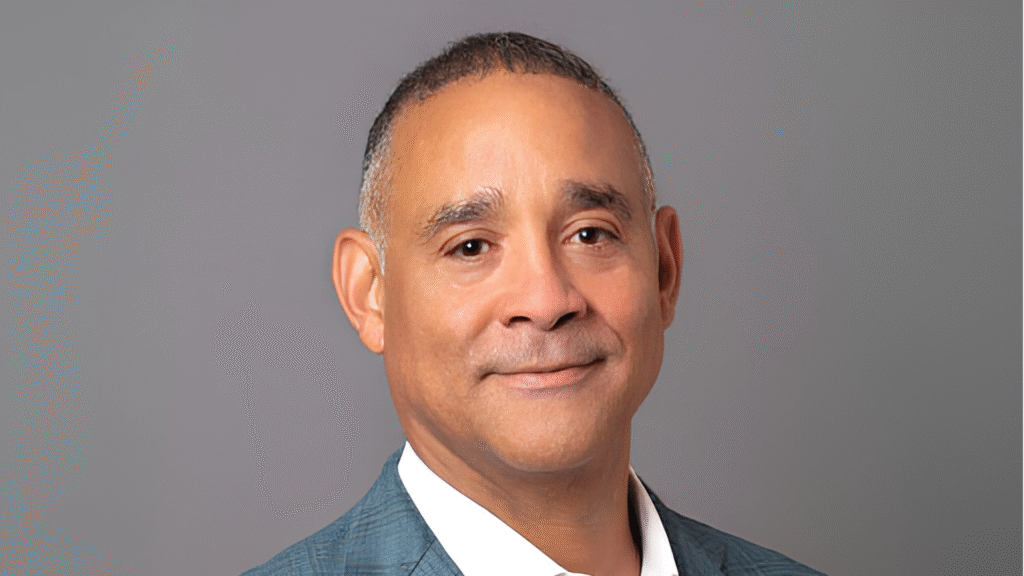
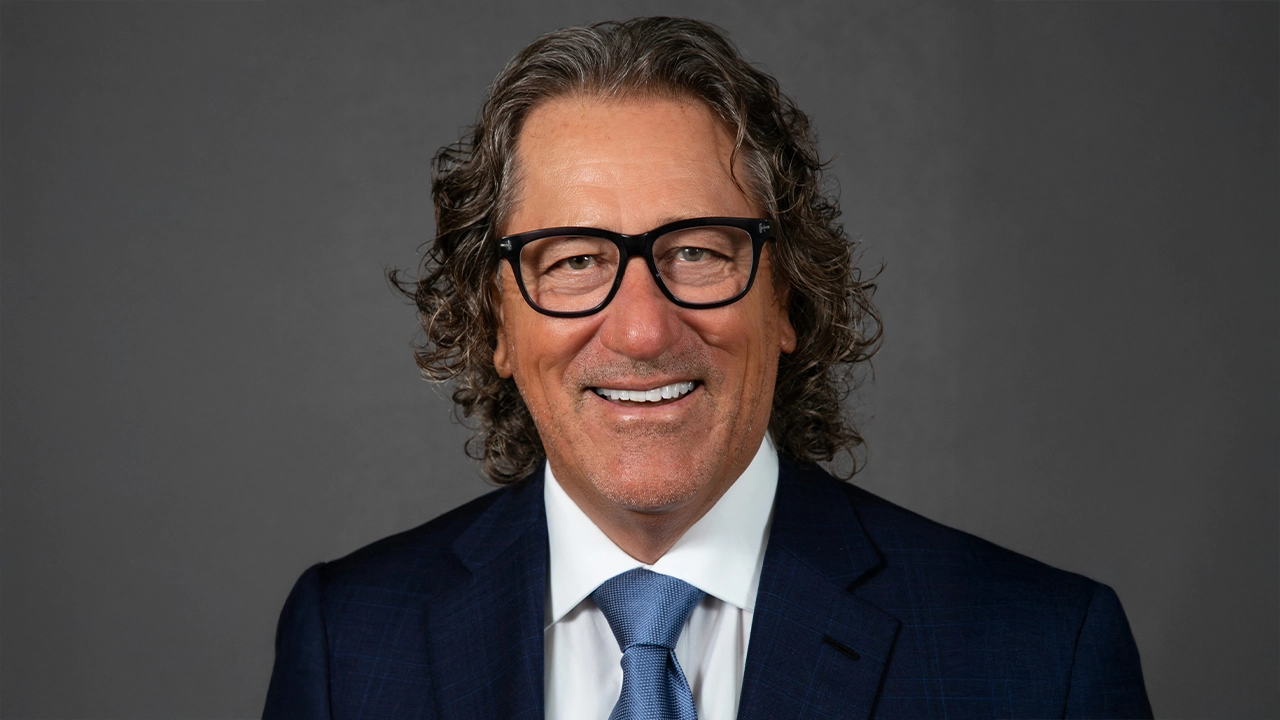
Robert Maricich, Founder and Executive Chairman of ANDMORE, an omnichannel wholesale market provider formerly known as International Market Centers, discusses leadership insights with Adam Bryant. He emphasizes team shared accountability, transparency, and the balance between short-term performance and long-term goals.
Q. What values are core to your leadership style?
A. The first is about the importance of shared accountability by teams. People on my teams would always have some personal objectives and metrics for performance but the bulk of them were much more heavily weighted toward the performance of a team.
So if you worked on my executive leadership team, 75 percent of your compensation was based on the team’s accomplishments. There really wasn’t a scenario where, say, somebody was super successful in marketing but another person struggled in sales.
Another one is transparency. There was no hoarding of knowledge, and everyone knew exactly the situation we were in. I generally would have monthly all-team meetings where I would share our financial performance, even though we were a private company, and what our problems were.
And I would always say that if I were judging a management team, I would say, do they know what their problems are, and what are they doing about them? There’s an old saying that you better make sure that what matters most matters most.
I would use that for performance reviews — everybody had “what matters most” for their role. My executive team covered them each week. You’d have three minutes to cover your area of responsibility, and it was centered on what you were doing about what matters most.
And finally, you have to keep repeating your values. One of the ways we reinforced those values was to rebrand the company as Andmore to drive home the point that we wanted to do more for our shareholders, more for each other, more for our communities, and more for our customers.
In our monthly meetings, we would always have someone within the organization share a highlight of how they or their team lived out these values. And as a leader, you of course have to enforce your values. If collaboration is a value, and someone’s not adhering to it, you’ve got to make sure that you’re dealing with that.
Q. Back to your first point about team accountability—how did that become important to you?
A. I played basketball in college. You are always going to have stars, but you win as a team and you lose as a team. I’ve also found that great leaders are not just great team leaders; they’re also great team players. Recognizing when you’re one or the other is important.
Q. What are you looking for when you’re assessing talent for your teams? How do you hire?
A. I often use the “skill, will, and fit” framework. Skills are easiest to assess. In terms of will, I’m looking for people who have had to really fight their way through some difficult situations. So I ask people to tell me how they dealt with something that was really tough.
I also like to ask, were you ever in a situation where something was done to you that was just unfair, and how did you deal with it? And I would tell them that we are building an exceptional company of enduring value, and then ask them to tell me what they think an exceptional company looks like. What do exceptional people look like? What do exceptional teams look like?
For fit, I would have other members of my team interview the candidate to pressure-test for our values. The notion of “be slow to hire and quick to fire” is true. I hired a chief operating officer once and I fired him six weeks later. The guy was a great interviewer, and he passed all these psychological tests. But about a week into him working with us, I realized he was not going to fit in.
Q. What were important early influences for you?
A. We were an immigrant family in Black Eagle, Montana, part of a wave of Croatians and Italians and others who came over to work in the mines. We were poor by every measure. I was the first in my family to go to college. I was a pretty good athlete. I had a full-ride scholarship to Montana State.
My dad always said, get a good education, keep your nose clean, and work harder than the next guy. Those were core, and they led me to being a lifelong learner and a hard worker. For me, that simple formula has always worked.
I was a physics major in college, but I switched to engineering because two seniors in my fraternity house with engineering degrees were getting great job officers. After I graduated, I got a job at Texaco, but it was not for me. It was this gigantic bureaucracy and after nine months, I came home to my wife, who I’ve known since high school, and said, “I just can’t do this. It’s just not me.”
In my career, there have been three times when I took what seemed like a backward step, certainly in compensation, to do something that I found more intriguing or interesting. It’s not just about having the courage to do that; it also requires having support at home.
Q. What do you consider to be the hardest part of leadership?
A. It’s dealing with the necessity of having to perform in the short run to earn the ability to play long-term. You can’t just focus on the long-term, and you can’t just focus on the short-term. It is a balancing act, and great leaders do that.
Recent