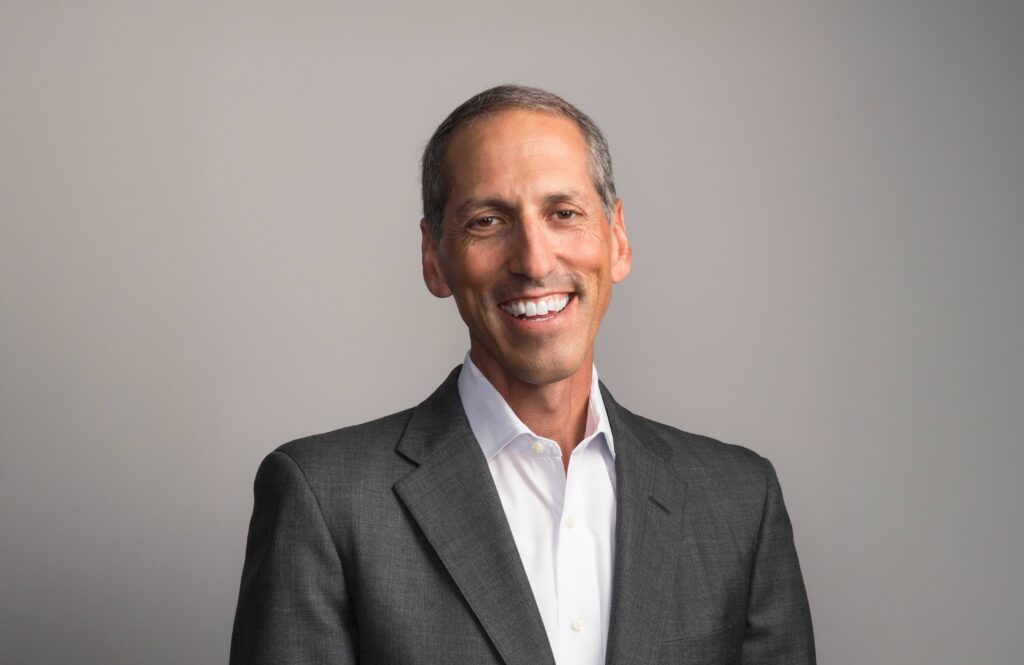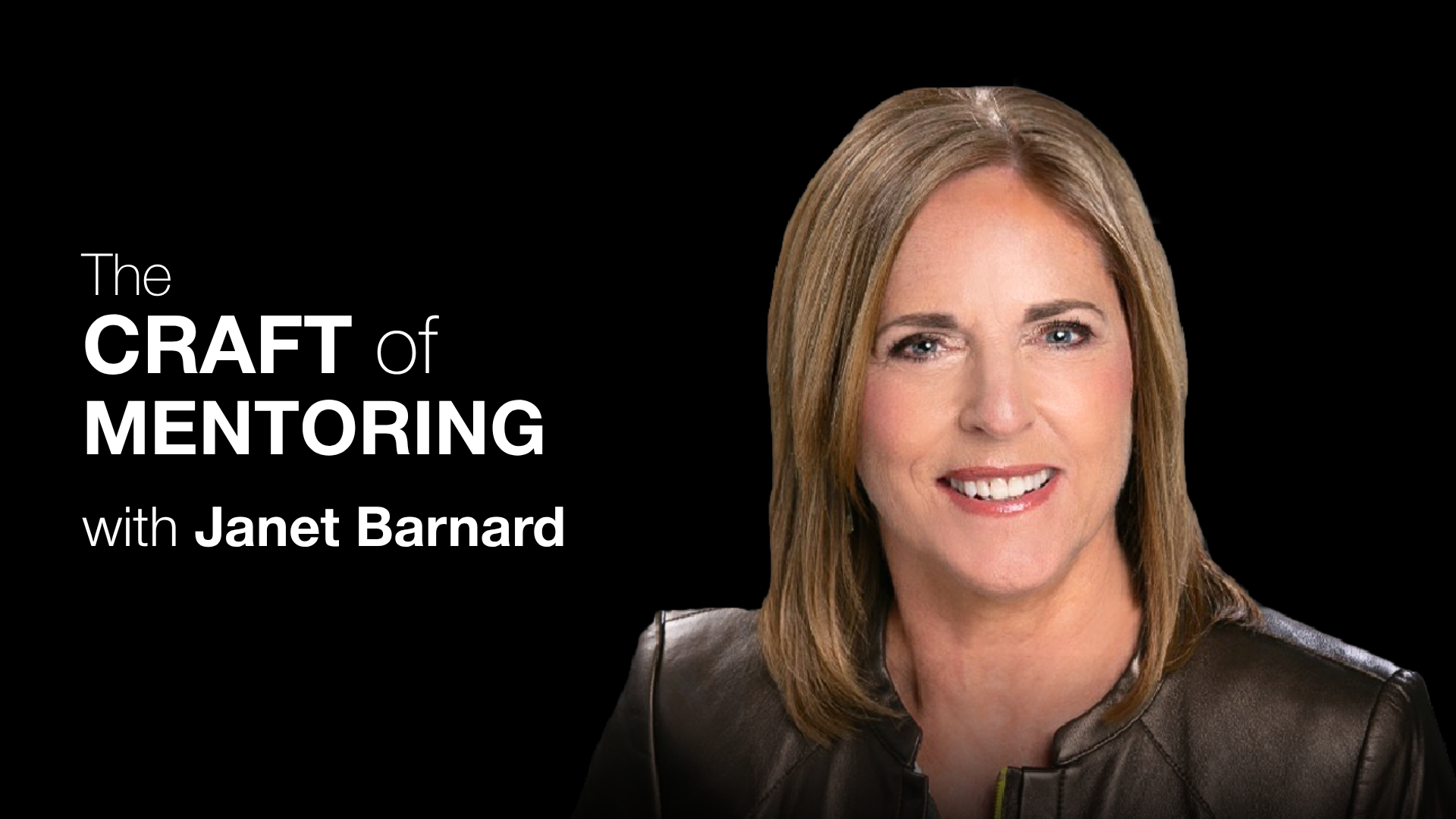
Janet Barnard, former CPO and Divisional President at Cox Automotive and former President at Manheim, and a mentor and coach at The ExCo Group, speaks with Adam Bryant about the power of vulnerability in mentoring relationships, helping clients discover their “unknown unknowns,” and why letting go of perfectionism is essential for executive leadership.
Q. What are the X factors for you of effective mentoring?
A. The first one is vulnerability. We ask our clients to be vulnerable and bare their souls with us, and it is only fair that we should be willing to do that in return. And we can share personal stories of when we were in situations that are similar to what they are dealing with. It gives our clients comfort to know that they’re not the first ones to have ever been in their situation.
The second thing is thinking about how to think. Instead of being tempted to provide answers to our clients, our job is to help them think differently about how to approach their situation. A big part of doing that is asking a lot of “what” and “how” questions to help them think about their problem in a new way.
It’s a different muscle than I used in my corporate career, when my job was to have answers to difficult situations. But my clients always have a greater sense of ownership when they come up with those “aha” moments themselves.
Q. Is there a particular tool you use that tends to have the greatest impact with your clients?
A. I often use Johari’s Window to talk about self-awareness once I share the feedback of how others perceive them as a leader. It’s a two-by-two grid that helps organize the feedback according to what was known or not known by the client and what was known or not known by others.
The most important quadrant to me is the “unknown unknowns.” The client has to sit quietly with this for a while—and I will let the silence become pretty uncomfortable—because I want them to reflect on things they didn’t hear in the feedback and may have never really thought about before.
I’m asking them to take some time to go deeper. What else is there that you’ve maybe never articulated to yourself, but it’s rattling around in your brain somewhere? If there’s an aspect of their job that they need to work on and haven’t in the past, is there an underlying reason why they didn’t want to or didn’t care to? It’s usually something that’s fairly deep-seated that they either haven’t had the courage or the reflection time to articulate.
Q. What is the best lesson you learned from one of your mentors over your career?
A. One is, don’t let perfect be the enemy of good. I was an accountant by training. I was raised by a perfectionist homemaker. My whole life had been about perfection and accuracy, and when I moved into general management, those roles are not about perfection. My mentor at the time really helped me let go of perfection and move into the gray space by using that line with me more than once.
He also told me that no decision is also a decision. I’m working with a client right now on their decisiveness and speed of decision-making, and I shared that line with them in one of our recent conversations. No decision is also a decision, and waffling or not acting out of fear also has consequences that you may not be happy with. It was a great line to help me build up my courage.
Q. What is the wisest thing you’ve ever read, heard, or said in the context of leadership?
A. I had to learn, just as many of our clients have to learn, the importance of relationship management, especially at the executive level. It can be a difficult leap to make because you don’t always get to choose who you’re working with. You may never love each other, and you may not ever even really like each other, but you still have to work together.
I read many years ago that if you are in a working relationship with someone trying to accomplish something, and that outcome is more important to you than it is to them, then you have to be willing to go more than 50 percent of the way.
That can be tough because, as kids, we’re always taught about fairness and making things equal. Our brains tend to think that way—I’ll meet you in the middle. That’s not always enough, and our sense of fairness can so often get in the way of that. But you have to let go of that and think about what’s required to make something happen if it’s important to you.
Q. Leadership can seem overwhelming these days. How do you help your clients stay grounded?
A. I spend a lot of time with clients on compartmentalizing, and that means really sorting out what’s controllable and what’s not. And you have to ask yourself, what impact am I trying to have? Can I have that impact here in this situation? And if so, then I need to focus all of my efforts on the things that I can control about that outcome and impact, and let the rest play out on its own.
There’s a risk in that, because if you take your eye off the ball, even on the uncontrollables, it can come back to bite you. But if you’re wasting time and energy worrying about the things that aren’t going to change no matter what you do, then you’re going to miss the opportunity to make the impact you want.
Recent