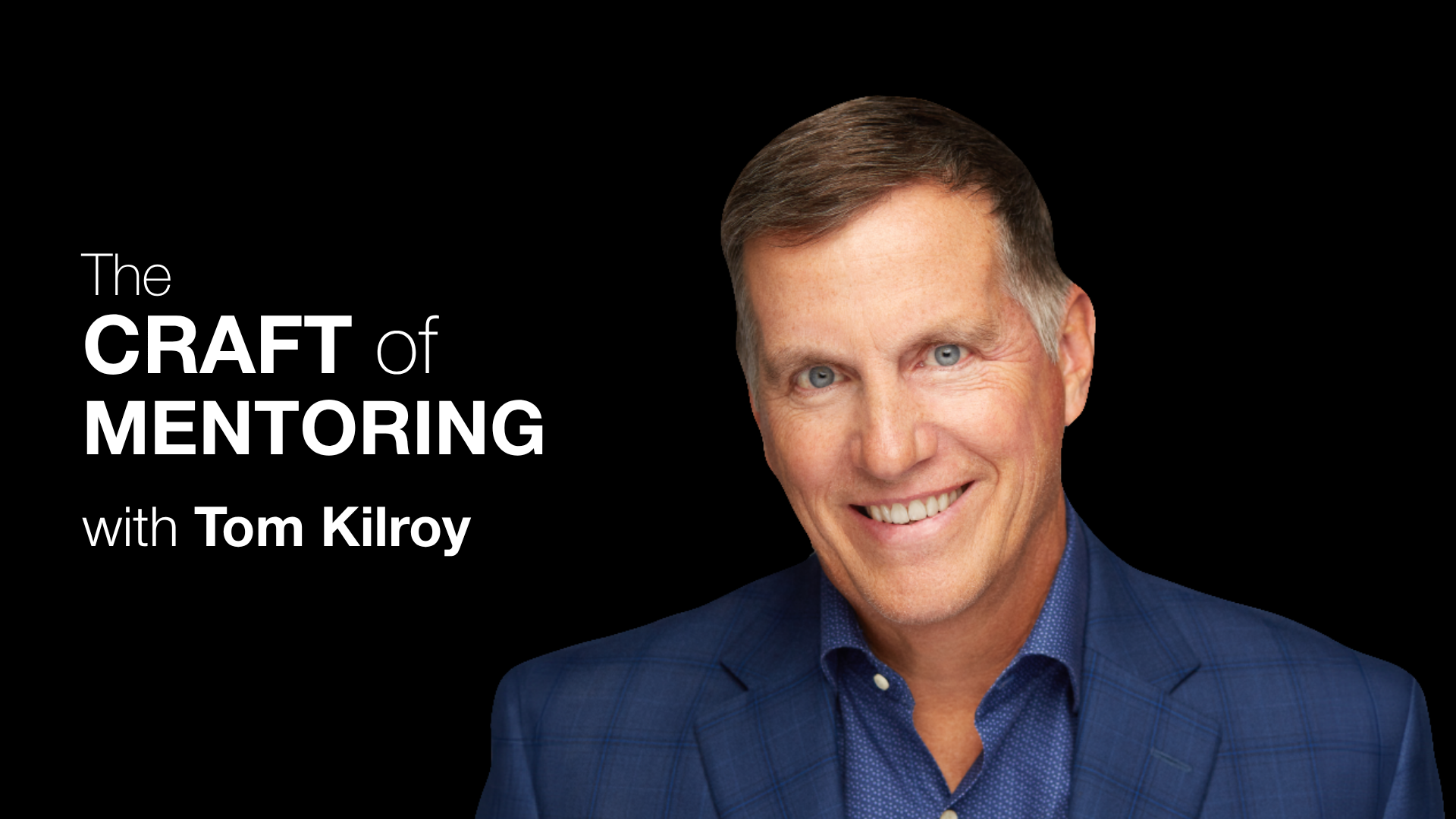
Tom Kilroy, former EVP of Corporate Strategy at Intel, and a mentor and coach at The ExCo Group, shared sharp, experience-forged insights with Adam Bryant. Key themes include the importance of strategic delegation and empowering high performers, how time management unlocks leadership leverage, and why the best leaders make errors of commission, not omission.
Bryant: What are the keys to effective mentoring?
Kilroy: First, choose wisely where to focus with your client. In some engagements, the challenges are obvious at the outset, and there’s agreement on the areas that we need to work on. But sometimes it’s not about solving a specific problem. It might be more important to help our clients address some of their blind spots or help them develop their team and their potential successor.
Most of the leaders I’ve been fortunate to work with report to the CEO, or they are running a large part of the business. So they’ve been hugely successful, and by nature, they are very confident, control-oriented, and they’re driving the business. As a result, they are often less focused than they should be on empowering others, particularly with those who have done a great job and should be given additional responsibilities. In these high-stakes roles, you can’t turn over the car keys too early. That said, you also have to be looking for opportunities to let go. And when you do empower others, it builds respect and trust with your team.
Bryant: With delegation, it can be a tricky balance, because some things are critical and can’t be delegated.
Kilroy: You have to be upfront with your team. You might say, “This is what we’re tasked with. Over the next 90 days, I’m going to be very involved in this. It has nothing to do with not trusting you. But this is so critical that I’m going to be really leaning in.” It’s about setting clear expectations, so your actions are well understood.
Delegating carries a certain amount of risk-taking. If someone’s earned it, you’ve got to be comfortable with the fact that they might make a mistake. Your job as a leader includes giving people on your team an opportunity to take on greater responsibility and achieve success, even if that means they will hit some bumps in the road.
Bryant: Do you find there is a particular tool or framework that leads to the greatest unlocks?
Kilroy: We’ll go through the strength and development areas for each member of their team. We then assess who needs more of your time to develop and who could be ready to take on more responsibility. This can lead to a rebalance in time allocation. After all, time management is a challenge with every client. So there are two benefits to the delegating conversation. It shows they are empowering their team, and it frees up time to pivot to other key areas that require their time. We’ll also go through their calendar for the next three months to assess the meetings on the schedule based on a quadrant of important and not important, and urgent and not urgent. This exercise is a real eye-opener, because they realize that many of the meetings are urgent and important.
And at these levels, they need to be spending their time on more important strategic and non-urgent issues. They should be playing offense, not defense, to get ahead of things and drive their agenda.
Bryant: What’s the best lesson that you’ve learned from one of your mentors over the years?
Kilroy: Early in my career, when I was still an individual contributor, a leader in my organization said, “Don’t trade a career for a moment.” I learned as I moved into leadership roles that sometimes the environment can get tense, competitive, and even ruthless. But you need to take a breath and not take everything personally, so that you don’t do or say something you might regret later. This comes up often in my mentoring, with people who are dealing with intense politics. They may feel that a colleague is trying to undermine them, so they start thinking about escalating it and drawing in others. And I will say in those moments, “I understand. I believe it’s real. But be careful how you do it. You don’t want to let your emotions take over and trade a career for a moment.”
Bryant: What is the wisest thing you’ve ever read, heard or said in the context of leadership?
Kilroy: Make errors of commission, not omission. It relates to calculated risk-taking, which is a key attribute of successful leaders. If you’re in a senior role, you can’t be afraid to make mistakes, so you’ve got to lean in and act instead of deferring. Sometimes you do need to punt, but you can’t be too over-indexed on being cautious. When you make a risky call, it may not work out. But that’s what good leaders are made of – they have conviction and take on those risks.
Recent