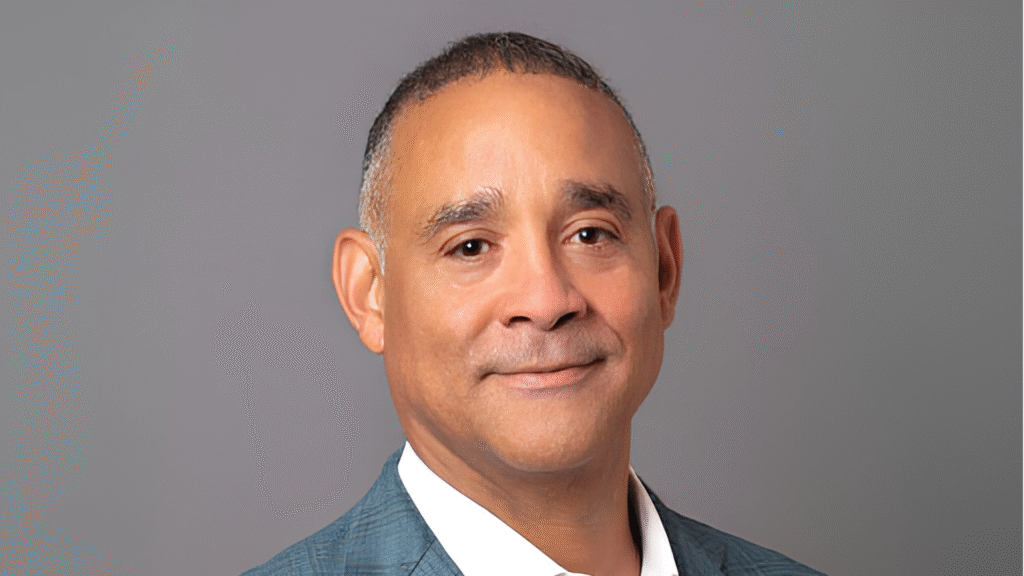
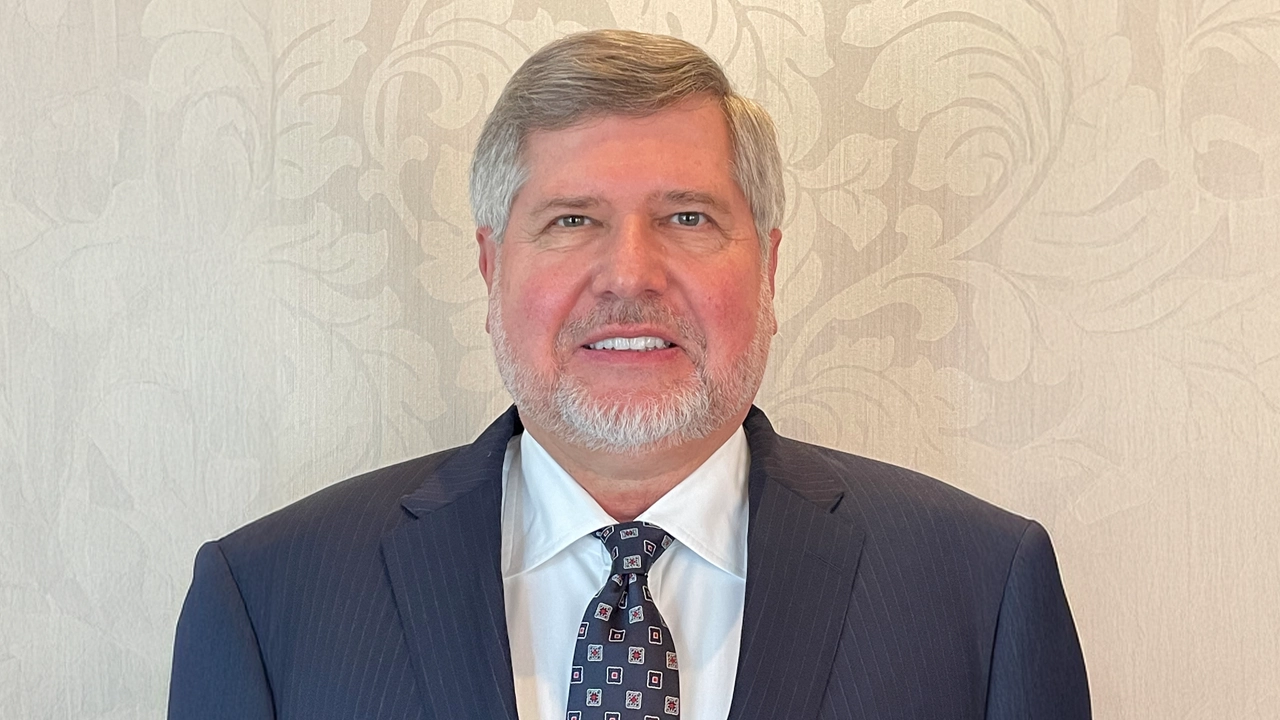
Paul Kaleta, a board director at FirstEnergy, shared timely insights with Adam Bryant and David Reimer in this Director’s Chair discussion. He explores increasing complexity and pressure for boards, the importance of culture, and the leadership qualities for CEOs.
Reimer: How have conversations in the boardroom evolved?
Kaleta: The pressures have grown over time. I started doing board work as a general counsel in 1992 when we were all just coming out of the takeover craze. It seems like each year gets more difficult. Today boards are facing an overload of issues that are coming at them from many directions, including technology disruption as just one of many examples. Boards today are drinking from a fire hose.
Bryant: What issues need more attention than they are getting now?
Kaleta: One is the primacy of culture in the boardroom and the company. We always thought of culture as an ephemeral thing. But it is so powerful and foundational to high-functioning boards and management teams. If you have the wrong culture, nothing’s going to go right over time. Being thoughtful and intentional about culture is critically important.
When I first started advising boards as a general counsel, culture was just starting to creep into the discussion. It generally came to prominence when there was already a problem. Now the question is, how do you get in front of those problems before they happen? Almost every time that a company has gotten into trouble, it’s because there was a cultural issue somewhere at play. You have to get in front of it.
Reimer: What role do you typically play on boards?
Kaleta: I learned early on the value of sitting back and letting other people talk first. That’s how I get a sense of the room and understand what others believe are the critical issues and key touchpoints. Others may prefer to jump right in to get their views heard, and that of course is fine, but I find so much value in sitting back and letting the discussion unfold. Then I can gauge the right time to add my thoughts.
Bryant: What are the X-factors that you’re looking for in CEO candidates these days, and how do you probe for those qualities in an interview?
Kaleta: I’m looking for someone with a combination of steely resolve with a corresponding tremendous humility. That combination is essential for any successful CEO. My approach in interviews is to simply sit down with folks and ask them to tell me their story, including their successes, disappointments, and any outright failures and how they recovered.
I ask them why they would want to be a CEO today, given all the pressures of the role, and particularly with today’s unpredictable business environment. I also want to understand their vision and strategy, and their track record for developing talent, among other issues. I like having them tell me their story and then just follow up with questions in the moment.
Reimer: What were important early influences that really shaped who you are as a leader?
Kaleta: My father was an orphan. He had a really tough time being in the orphanage. He was kicked out when he turned 18 and he eventually served in the Army during World War II. I share this because he was so grateful for the family and life that he and my mother were able to build. As I grew older, I was profoundly influenced by my father’s gratitude, despite his difficult early life, together with his determination to move himself forward.
His story really set me up to try to be grateful for everything that comes my way. Carrying my father’s gratitude forward, I acknowledge the support from the many people who guided me in my career: professors, law firm colleagues, CEOs and other executives, and board members who mentored me and otherwise propelled me forward professionally. Following their model, I have tried to provide the kind of leadership and support to those who have worked with me. I am grateful that many have gone on to be successful general counsels and senior executives.
Recent