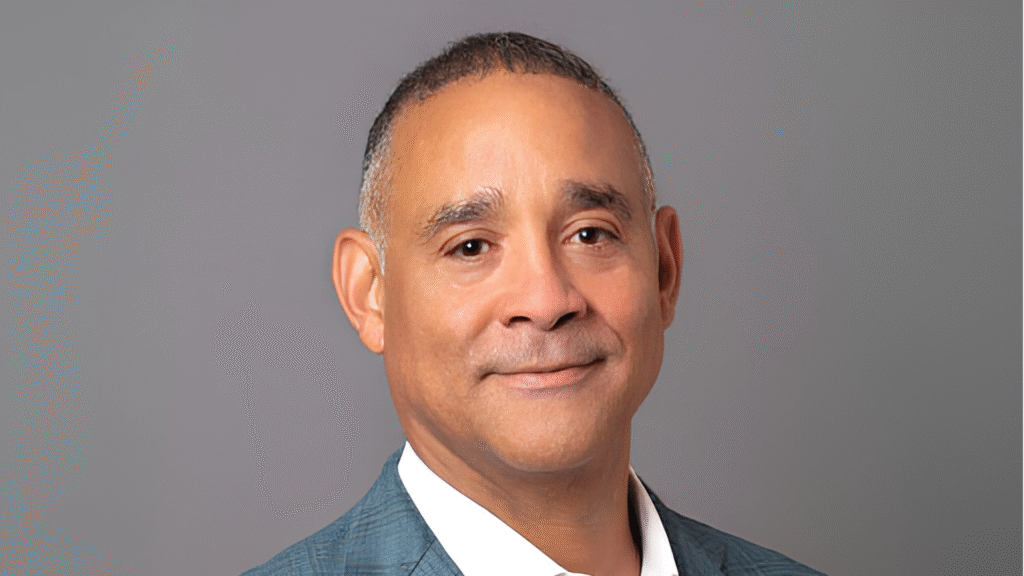

Dan Draper, board director and former CEO of S&P Dow Jones Indices, shared timely insights with Adam Bryant and David Reimer. Key themes include how boards are evolving from supervisors of the past to architects of the future, the critical role of the board chair in drawing out every director’s voice, and why building a trust bank with stakeholders is essential before any pivot.
Reimer: How are boardroom conversations evolving, and how do they need to evolve?
Draper: We are moving from a focus on compliance in the past to a cadence that is more real-time because of the complex stakeholder demands. In other words, boards are shifting from being supervisors of the past to becoming architects of the future. Boards still need to be both supervisors and advisors, but the focus has shifted to more of the advisor role around strategy. We’re all grappling with that crucial theme.
Bryant: How do you make that happen in practice?
Draper: The board chair, or lead independent director, is critical for understanding the temperature in the room and helping the board act collectively as a single body. You need someone in that chair role to ensure that every director is contributing. The most effective chairs I’ve seen haven’t been the loudest in the room, but they’re the ones who are ensuring that everyone is engaged and drawing out their insights. They also have a sense for when to constructively challenge management and when to support the team.
Reimer: Given how much noise there is in the world, how do you decide what belongs on the board agenda?
Draper: If you always come back to why the company exists, then the purpose and strategy are just natural extensions of that. It’s about getting back to basics. If the alignment is still there among the stakeholders, and the strategic intent is still in place, then you can stay focused on the longer-term strategy and help management guard against overreacting to the crisis of the moment.
The board, by its nature, should have a much more medium- to long-term view of what’s most relevant. Even with the velocity of AI, the board can ask the question, does it really reshape the fundamental economics of the company over the long-term?
Quantum computing is not far away, but you do need to have these discussions. These are tools and potentially enhancements of your strategy to deliver value to customers, but you absolutely need to come back to why you exist as a company in the first place.
Bryant: What were important early influences that shaped who you are as a leader?
Draper: I grew up in a blue-collar factory town, but I had this kind of explorer gene. I’ve lived outside the US for 17 years of my career. But some core values don’t change, and I learned lessons early on about hard work, ethics, and adaptability.
My dad was a welder. He was older when I was born. He grew up during the Great Depression and served in World War II, and I learned a lot about risk management from him at the most basic level. In the Great Depression, leverage was, of course, a killer, and my father was extreme. He never had a credit card in his life, and he had this aversion to debt. So there was this focus on budgeting and personal responsibility that really influenced me.
Reimer: When you were in operating roles, were there certain expressions and frameworks that you would use often with your teams?
Draper: I often talked about data and the output to set the tone for meetings. Yes, we want to have a healthy debate and share different perspectives. But let’s first get a common set of data on the table and compare it to what we want as the outcomes of our strategy. Let’s frame that up to make sure that we’re having the right discussion.
That puts the onus on people to show up prepared. Rather than just showing up and debating, my expectations are that you’re going to come to the meeting having run some level of numbers beforehand to make your case. I also want people to know that the point of the meeting is to come to a decision. We’re not going to sit there and debate for hours. I expect people who are on opposite sides of the table to speak beforehand.
I also think that integrity and ethics, particularly in financial services, have to be beyond reproach. If you look at the companies in the S&P 500 over 30 years ago, more than 80 percent of their market cap was represented by what we call tangible book value. Today, well over 85 percent of their book value is intangible.
A lot of it is technology and intellectual property, but it’s also about brand. Most great brands come down to one main variable, and that’s trust. So people often hear from me that the brand and that intangible value have to be protected and managed every day.
Bryant: What do you consider to be the hardest part of leadership?
Draper: The hardest part is staying true to the course you set in your strategy. There are so many distractions today and so much noise out there, particularly because of social media. You have to have confidence as a leader to stay true to your long-term goals.
That said, and this doesn’t conflict with what I just mentioned, you have to be able to pivot when necessary. And when you do need to shift course, that’s when it’s critical to have a “trust bank” with your employees, your board, your shareholders, your suppliers, your customers, so that they will follow you, particularly if you have to act quickly.
Recent