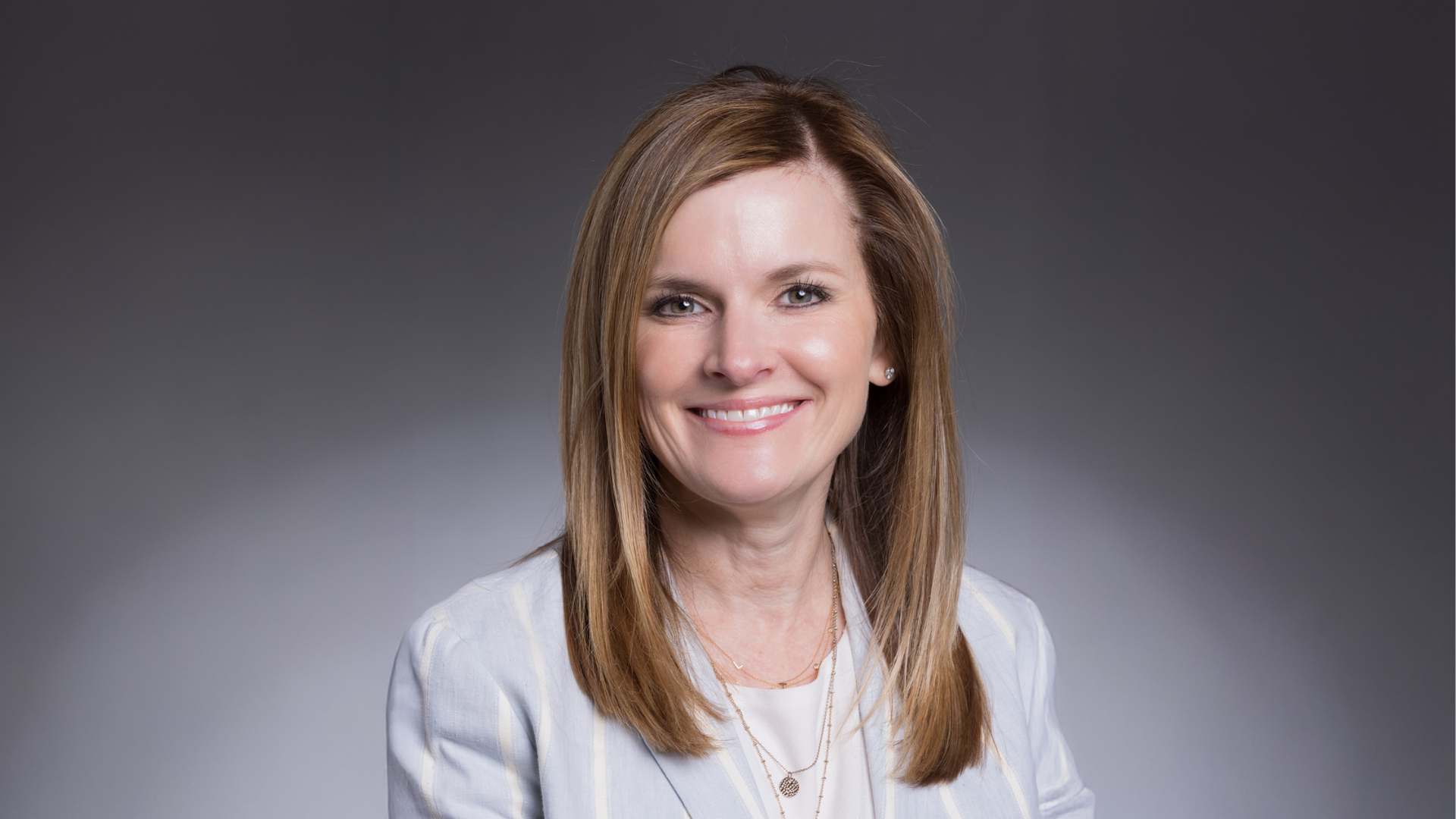
Tracy Josefovsky, Chief Human Resources Officer at Halliburton, shared her key leadership lessons with Adam Bryant and David Reimer. Key themes include the importance of intentional connection during times of volatility, why self-awareness and kindness are essential leadership qualities, and how leaders can avoid common succession planning traps by defining what good looks like before selecting candidates.
Reimer: What issues are top of mind for you these days?
Josefovsky: I’m thinking a lot about volatility in general. My industry has always been cyclical, but over the last eight to 10 years, the constant has been that things are always changing. Volatility creates uncertainty for people, and when people feel uncertain, they feel stressed. Misinformation can creep into the system, because people fill the gap of what they don’t know or what they think is going on, and things become more chaotic.
That’s why connection is so important right now—being able to collaborate, check in on people, listen to people’s concerns, and care about them. You have to be more intentional about how people are engaging and maintaining those relationships. And you have to incentivize people to do that, as well. As just one example, a lot of our compensation metrics are team-based, which helps underpin working together.
Bryant: What do you see as the most important qualities and skills of leaders now?
Josefovsky: To me, how you get to the result may be just as important as the actual result. We need leaders who can listen and are empathetic, so they can also understand what’s not being said.
The person with the best idea might not always be the loudest person in the room or the most charismatic. Or maybe the best idea is going to emerge from data. We will need different kinds of leaders, particularly those who can pull out the real story, rather than a one-size-fits-all, results-above-all-else, approach.
Reimer: What does that mean for how organizations should think about succession and talent development?
Josefovsky: There’s a common trap that people fall into with succession, in that people tend to look for and promote people who are like them. A healthy practice is always to have the conversation first to define what good looks like in a particular role, and the ideal attributes of a leader who would be successful in that role.
That discussion might change how you’re thinking about the kind of person you put in that role. Organizations often don’t spend enough time doing that.
Bryant: It takes a certain kind of wiring and background to be able to survive and thrive in a role like yours. Where does that come from for you?
Josefovsky: I was a quiet kid in school and observed a lot. I wasn’t really in the mainstream of things. The college I went to was small, and I was pushed into leadership positions, whether it was being on the honor court, or a resident advisor, or the VP of my sorority. That started a theme for me, which continued in the corporate world, of being offered roles that felt like a stretch. I always said “yes” and I am a figure-it-out kind of person.
Being an observer and getting opportunities to do things you didn’t think you could do keeps you humble. What has helped me in my career is that I always assume I don’t know everything. Even when I think I have something figured out, I assume there’s some other information out there that I should know. What am I missing? What do I not know? What could be wrong here? That’s been really helpful.
Reimer: Other early influences that shaped your leadership style today?
Josefovsky: My waitressing days taught me about the service mindset—to always think about ways to make it easy for somebody else. When I want something at work, and I need an approval for something, I try to do the heavy lifting and create a compelling brief so that it’s an easy yes for the person who’s getting it. It drives me crazy when someone sends me homework to study to figure out the pros and cons of their request. The point is to make it easy for people—it’s that service mindset.
Bryant: What’s the best lesson you learned from your worst manager?
Josefovsky: I learned to be kind. I try not to embarrass people in group settings by calling them out or putting them on the defensive. When you’re not kind to people, it makes you look like a weak leader because it shows an inability to control your own emotions.
Reimer: When you coach senior executives, are there certain themes that come up often?
Josefovsky: I find myself having more conversations about self-awareness. A lot of people move up in organizations because they are very good at what they do, and they can start being more bullish about thinking that they have the right answer and that they know the right way to do things. And so I try to help them understand their blind spots.
And those blind spots can extend to how they see other people. These leaders tend to be very decisive, and that includes talent. When they like somebody, they like them. When they don’t like them, they don’t like them—and this feeling is not likely to change either way. So I will point out that they need to take a fuller view of somebody’s talents and strengths. As a senior leader, there are enormous ripple effects to how you get things done and how you treat people.
Bryant: What do you consider to be the hardest part of leadership?
Josefovsky: Being inspirational to everyone. It’s hard to be the person that everyone in a large group will want to follow, because all those people have different personalities. That said, even if you’re just aware of the challenge, you’ve probably solved 80 percent of it.
I’ve seen a lot of leaders who don’t think about that at all. They just barrel through the way that they are, without self-reflection. But you need to try to reach people where they are.
Reimer: Are there certain expressions that you find yourself repeating to people over the years?
Josefovsky: I often say, “If you don’t like what you’re doing, be different tomorrow.” If you really want to change something, don’t fall into the laziness trap of thinking, “But that’s who I am.” The idea of being able to be different tomorrow keeps you curious. It keeps you learning. You can rebrand yourself if you decide you’re not going to do something anymore. I’m a big believer that you can be different the next day if you want to.
I also believe in knowing your value and really spending time thinking about what you do and how it is valuable to other people. I see a lot of people waste time on stuff that actually is not going to matter at the end of the day.
I learned that lesson when, during a performance review, we were setting my goals for the year, and I showed my boss 20 things I was going to do. He looked at the list and told me that he really didn’t care about all those things and then shared with me what mattered most to him. That was a huge light bulb moment for me. Know your value and know the things that matter.
Recent