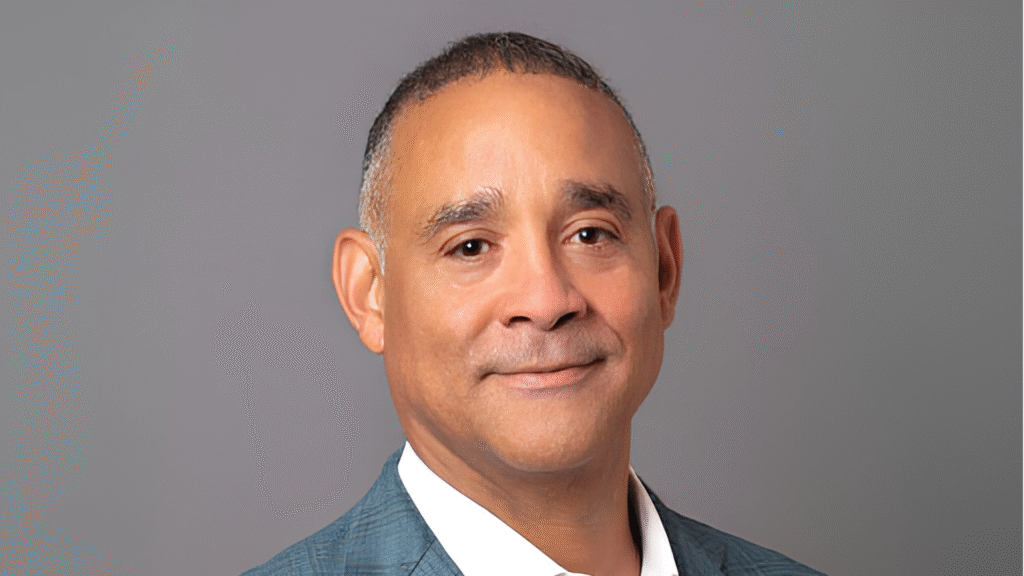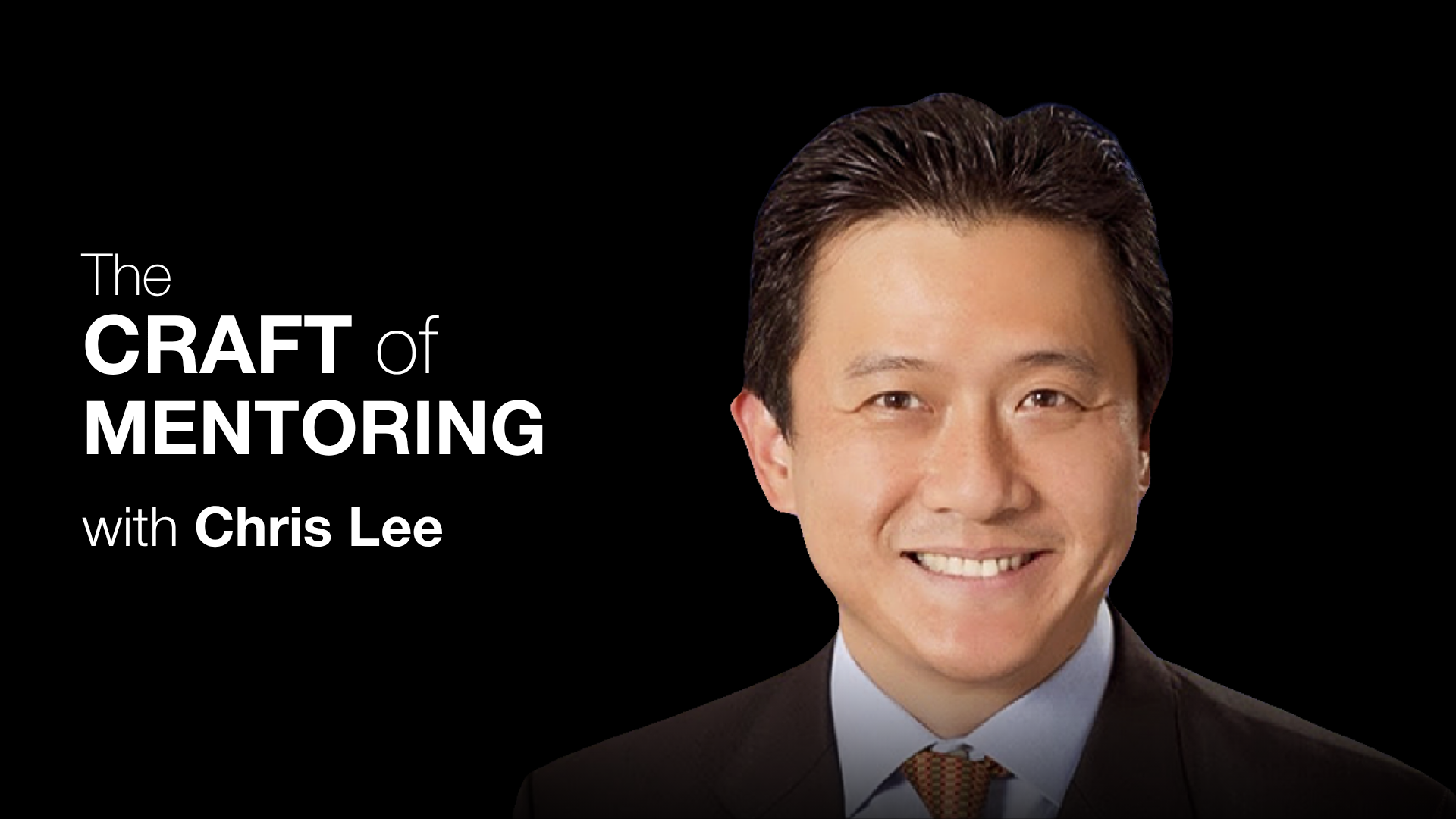
Chris Lee, Senior Partner of FAA Investments, board member of Matthews Asia Funds, and a mentor and coach at The ExCo Group, shares insights with Adam Bryant on three key themes: the power of non-directive questioning to help leaders reach their own insights, the importance of developing leaders at every level of an organization, and why traditional skills like relationship building remain essential in an AI-driven world.
Q. What for you is the secret sauce of effective mentoring?
A. A big part of it is using a non-directive questioning model, which is something I learned years ago from Bob Mundheim, who was a mentor of mine. He’s had a long and rich career, including serving as the general counsel to the Treasury Department, in senior leadership roles at major New York Law/Wall Street firms, and as Dean of U Penn Law. He’s also served on many boards.
Bob would never tell me what to do, but he would ask me a lot of questions until I had the light-bulb moment myself. That’s critical in the work we do, because our clients are successful and they don’t need to be told what to do. The goal is to get them to come to a decision or insight themselves, because they are more likely to own that decision.
Also, these senior roles are very lonely jobs, and people often can be reluctant to share their thoughts. That’s why it is so important, as their mentor or coach, for me to be vulnerable and share similar stories from my career about the challenges I’ve faced. That vulnerability is key to developing trust quickly so they feel comfortable workshopping ideas and thinking through challenges they are facing. It’s a chance for them to open up, which they often don’t have at work.
Q. What is an example of a skill that is critical for senior leaders but that they don’t necessarily invest enough time in?
A. One is developing the next level of leaders and helping them, in turn, develop the layer of leaders below them. For any C-suite leader, working closely with people in the one or two layers below their direct reports is part of the secret sauce for them to be successful. After all, those are the people who actually have to get the work done. The top roles are not just about managing up and getting to know the board of directors so that you can be on the short list of becoming the next CEO.
Q. What is the wisest thing you’ve ever read, heard, or said in the context of leadership?
A. There is a quote attributed to Guan Zhong, a famous Chinese philosopher and statesman who lived from approximately 725 to 645 BC. He is quoted as saying, “If your plan is for one year, plant rice; if your plan is for ten years, plant trees; if your plan is for a lifetime/one hundred years, plant people.” It’s about educating and nurturing people to build something great and lasting.
Q. What are some new challenges that your clients are dealing with?
A. Despite all the hype around AI, it’s important for people to remember that they still have to understand and do the underlying work. There are no shortcuts. You cannot become a bodybuilder just by watching somebody go to the gym. You have to practice every day and do the exercises to develop those muscles.
It’s why we’re seeing some university professors talking to their students about learning subjects in the traditional way, and asking them to take exams with a pen and a blank piece of paper.
There is an anti-automation effort underway. I don’t know how successful it will be, but it’s a point of view that’s worth considering amid all the talk of AI. There’s still value in developing the traditional muscles for thinking through challenges. And one skill that will always be important, particularly in leadership, is one-to-one relationship building.
Recent