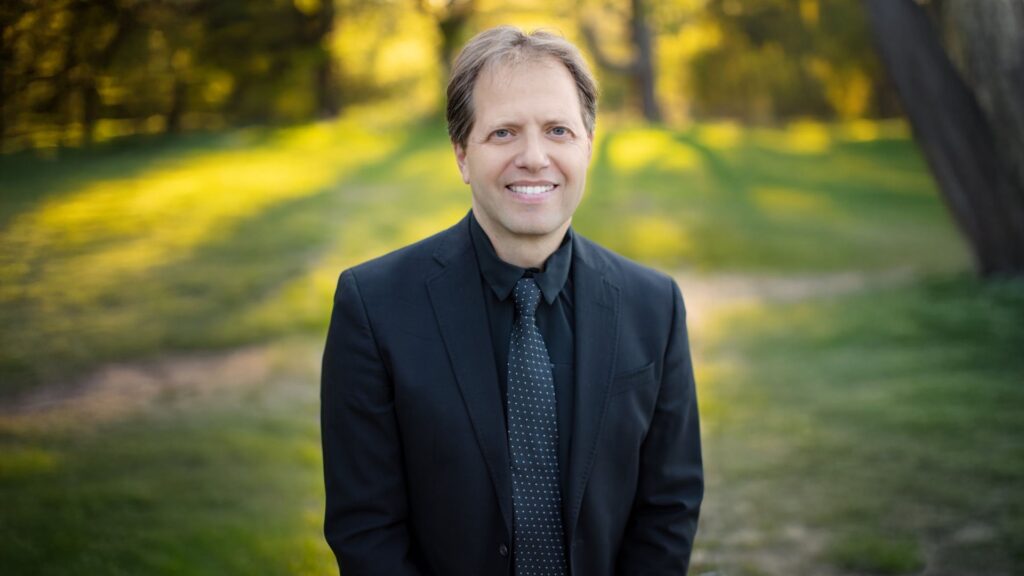

Susan Podlogar, who served for seven years as chief human resources officer at MetLife, shares her key leadership lessons and speaks on systems thinking for CHROs with Adam Bryant of The ExCo Group and World 50 Group in this “Passing the Baton” series.
Q. What are the X-Factor skills and capabilities that the next generation of CHROs is going to need?
A. First is insatiable learning because of everything that’s happening in the world, including the pace of technology. It’s an investment in yourself to be more effective. I’ve taken courses on AI at MIT and on neuroscience at Wharton. Learning is a business imperative. If you don’t prioritize it and put some of your own sweat equity into it, it’s not going to happen because there won’t be time.
Another is systematic thinking—thinking in a system rather than a silo. Systems thinking is really what we did in COVID. HR partnered with legal, real estate, and the medical team, working with everyone to come together to get to an outcome. You can’t think in terms of what is HR’s part. You have to think about how the components interact and overlap. How is this ecosystem flowing together? HR hovers above that to see how all those pieces can come together.
The third is having the courage to be a leader and bring ideas forward because this is the moment for HR to have the biggest impact on business outcomes. Others may see HR as a support function, but HR has to show up as a business driver. You’ve got to understand how all the business components work together and not sit back and wait until someone asks your opinion, especially on topics like AI. HR is in the best position to drive AI adoption in the organization with the support of the leadership.
Q. It takes a certain background and wiring to be comfortable amid all this ambiguity and the relentless demands of the role. Where does that come from for you?
A. I get a lot of energy from seeing people perform—influencing how they can enjoy their jobs every day, put their skills to use, and uncover their gifts. From a macro level, it’s being able to say that you helped make the business more effective and better able to serve your customers. When you can do that, it gives you a lot of fulfillment and energy. That also shaped my approach to leadership. Every employee is unique. Every employee has gifts. How do you bring out the best in them?
You also learn a certain amount of resilience as the youngest in a big family, especially putting up with pranks from older siblings. You learn to go with the flow. The other gift from being part of a big family is that I never liked hierarchy. Throughout my entire career, I’ve never seen a hierarchy in organizations. Every person is playing a different role. How do you interact with them respectfully?
Q. Was there anything about the reality of the job that was different, even in a nuanced way, than what you what you expected before you stepped into the role?
A. I would say how physically exhausting it is. I wasn’t doing manual labor, of course, but the role is exhausting for two reasons. One is the complexity of thinking that is required for the challenges you’re working through. Second, you have to always be on. We lived in a condo in Hoboken, N.J., for a while, and I would see MetLife employees in the elevator even when I was just heading to the gym in my sweatpants. You are always in the role, and you are always representing, no matter where you are.
Q. What are the do’s and don’ts you would share with a CHRO who is stepping into the role for the first time?
A. This is true for any role, but you have to start by listening and understanding the business. You need to ask questions to learn the why behind different practices and processes so that you can then take them to the next level. Second, meet with all levels of employees. Don’t just connect with the C-suite. As the head of human resources, you are there to represent every employee.
And third, you can do more than you think you can do. The role is shifting, and there’s a very interesting balance of head and heart right now. We are learning so much more about neuroscience, psychology, and anthropology, in addition to the role that technology can play. The heart part is about caring for the well-being of our employees and developing personalized solutions for them. You’ve got to marry those two to get the business outcome you want.
Q. There has always been a bit of a tug-of-war between employees and employers, but that has become much more dynamic in the last few years, with shifting expectations and demands on each side. What’s your take?
A. It is changing. And if anyone tries to impose old paradigms on the new reality, they’re going to be in trouble. You have to really listen to your employees and co-create with them because “voice” will happen one way or another. They are either going to voice their opinions inside your organization, or they’re going to voice their opinions on social media, or maybe even decide to amplify their voice through unionization.
Voice is not going to go away because employees are becoming more empowered, and they now have the mechanisms to get that voice heard. The companies that are going to win are the ones that focus more on partnership and co-creation. Share the challenges with employees and enlist their help to work through them. Is everybody going to agree with you? No, but can you at least get to the why behind different decisions and help build some momentum to get employees to support new approaches.
Recent