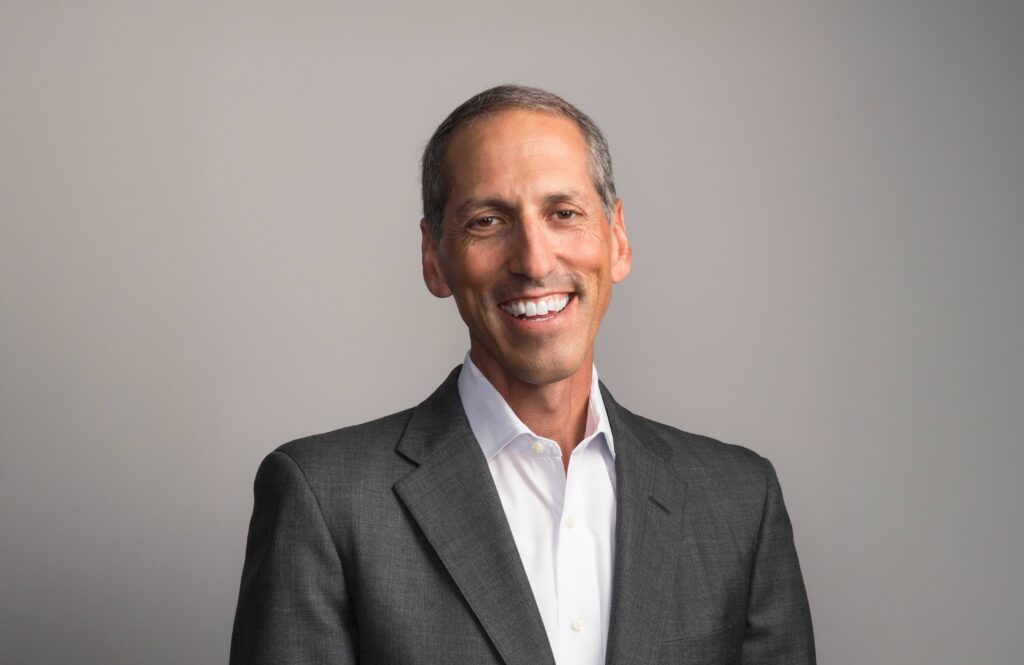

Krish Shankar, group head of HR at Infosys, shares key leadership lessons with Adam Bryant in this Strategic CHRO interview. Shankar is also the author of Catalyse: Power Up Your People Ecosystem. Subscribe here for future interviews.
Bryant: What were some leadership muscles that you built over the last couple of years that you want to carry forward?
Shankar: We’ve seen two extremes in terms of how we operated, especially in the tech industry. In 2020, it was about the response to the pandemic and how you manage the shift to the new ways of working. There were a lot of people issues, plus the challenge of prioritization. We’re still dealing with a lot of uncertainties, including the shape and speed with which people are going to be returning to the office. We’re all working in an environment of greater ambiguity.
In last two or three years, we’ve also seen a huge number of social issues coming into the workplace. You’ve got to respond to them in a much more thoughtful way — to be sensitive to the environment and understanding societal trends and changes. Third, in a fast-growth environment, you can’t have everything perfect. You’ve got to take short-term actions but at the same time keep in mind the long-term, including all your stakeholders.
Bryant: What is it about your background that prepared you for operating in an environment of such ambiguity?
Shankar: I’ve worked in a few different industries over my career and been through ups and downs in those. That made me comfortable leading transformation when you know not everything is going to go well.
I’ve never been someone who had a fixed view of things.
I’ve also always been open to learning and reading and doing something new. I’ve never been someone who had a fixed view of things. When you’re living with this kind of change and ambiguity, you can never have just one view. You also learn not to take yourself too seriously, in the sense that you’re not the person who’s going to make the company survive or fail. You have to rely on the leadership team as well as the HR team coming together.
Bryant: What are the X-factors that separate the best performers?
Shankar: The context and the industry play a big part in identifying those X factors. But I see three important ones. Somebody who develops and takes bets on people is very important. They understand the strengths of their team members and how to get the best out of them.
The second X-factor is always seeking feedback from various sources and always testing their hypotheses and being open to new ideas and thoughts to make sure they have the right information for making decisions. The last one is the ability to take risks — to say, “I want to put my energy and resources behind this new idea,” and then make it happen.
Bryant: What advice would you give to a first-time CHRO?
Shankar: Be realistic. You can’t control everything that you want to control. There will be a lot of things that you wish you could control, but you can’t. Therefore, live with that and be comfortable with that.
You can’t control everything that you want to control.
Betting on people and building your team has great positive results in the long-term. So get the right people and bet on them. That really will help you manage all the challenges you will face. And as a CHRO, you have to have great trust and a great relationship with the leaders of the company. You’ve got to invest your personal time in building strong relationships.
Bryant: What questions should a CHRO candidate ask the CEO to help determine whether they will have good chemistry?
Shankar: What is the toughest people decision you’ve made? What kinds of people challenges have you faced? What people challenges frustrate you the most? What kind of people do you get along with? Who do you think would be part of your ideal team? What is your vision in terms of the culture of the organization and the team? All these elements are important for CHROs to understand about CEOs.
Bryant: What early influences shaped you as a leader?
Shankar: I did well in school. I was academically always first or second in the class. But I was quite shy. My father was in a job that required him to move from city to city every two or three years. When I was 13 years old, I went to live with my grandparents in Chennai to do the last three years of my school and college. Living alone with my grandparents was a very big change.
I started reading a lot more. That helped build my interest in new things and different subjects. I also developed more confidence from being alone in a different city, because I made all of my decisions on my own. My grandparents weren’t very involved in what I wanted to do, where I wanted to go, and what I wanted to study. I did all of that myself, and that really helped me grow and develop resilience. I learned to take responsibility for my own decisions.
Join the conversation on LinkedIn.
Click here to download the article.
Recent